Table of Contents
ToggleKey Takeaways
- Timing for Utilizing Facial Protection
- Guaranteeing Adequate Airflow
- Upkeep of Protective Equipment
- Instruction on Gear Operation
- Proper Storage of Protective Equipment
- Incorporating Safety Equipment into Processes
- Regulatory Obligations for Protective Gear
When to Use Earplugs or Earmuffs
Exposure to loud noises can lead to permanent hearing damage. In environments where power tools are in use or machinery operates at high decibel levels, wearing earplugs or earmuffs is essential. This protective gear helps to significantly reduce noise levels, allowing individuals to work safely without compromising their hearing.
It is important to assess the noise levels and duration of exposure when deciding to use hearing protection. If sounds exceed 85 decibels for extended periods, hearing protection becomes necessary. Proper selection between earplugs and earmuffs can depend on personal comfort and workplace conditions. Earmuffs may offer more protection in extremely loud environments, while earplugs provide a lower profile option that can be more versatile in various settings.
When to Use a Face Shield
Face shields serve as a crucial line of defense during various refinishing tasks. They provide protection against chemical splashes, flying debris, and harmful dust particles that can pose significant health risks. Scenarios that particularly warrant their use include tasks involving solvents, paints, or any materials where the risk of splatter is present. Given the nature of refinishing work, a face shield can complement other protective gear, such as goggles, by extending coverage to the facial area.
Proper usage of a face shield is essential for maximizing safety. Always ensure that the shield fits securely and provides adequate visibility. In environments with high heat or where high-speed tools are employed, utilizing a face shield can prevent severe facial injuries. It is advisable to incorporate the use of a face shield as part of the overall safety protocol during refinishing projects, ensuring it is worn consistently whenever the risk of exposure is elevated.
Protecting Against Flying Particles
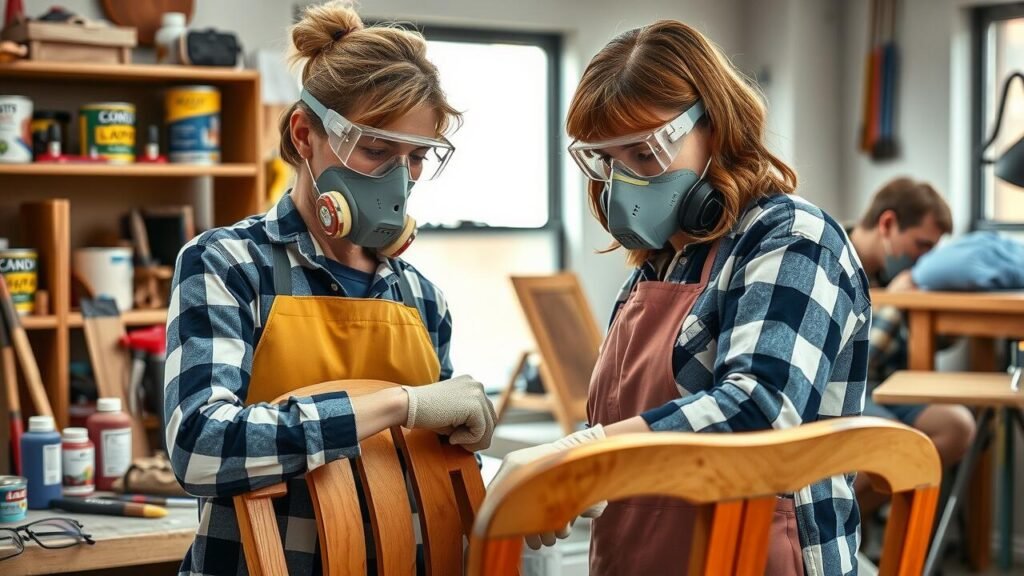
Flying particles pose a significant risk during refinishing tasks. Dust, wood chips, and paint particles can easily become airborne, leading to serious injuries or health issues if they come into contact with the eyes or respiratory system. To mitigate these hazards, wearing safety goggles or face shields is crucial to protect the eyes from impacts and irritants. A dust mask or respirator should also be used to filter out harmful substances and reduce inhalation exposure.
In addition to personal protective equipment, maintaining a clean workspace is essential for preventing the accumulation of debris that can become airborne. Regularly sweeping or vacuuming the work area helps minimize the presence of particles. Implementing proper containment methods, such as using drop cloths and barriers, further safeguards against flying particles. Ensuring that all safety measures are in place contributes to a safer refinishing environment.
Ensuring Proper Ventilation
Maintaining fresh air circulation during refinishing projects is critical for worker safety and health. Proper ventilation helps to disperse harmful vapors released from solvents and other chemicals commonly used. It lowers the concentration of airborne contaminants, reducing the risk of respiratory issues. Utilizing exhaust fans or opening windows can facilitate airflow, ensuring that airborne particles and fumes do not accumulate in work areas.
In addition to removing harmful substances, adequate ventilation can also promote a more comfortable working environment. A well-ventilated space can help regulate temperature and humidity, which may impact both the drying process of refinishing materials and the overall productivity of workers. Regularly assessing ventilation systems and making necessary adjustments is a good practice to keep workspaces safe and efficient.
Importance of Airflow in Workspaces
Proper airflow in workspaces is crucial for maintaining a safe and healthy environment. Adequate ventilation helps to dissipate harmful fumes and vapors that can accumulate during refinishing processes. When chemicals are used, they can release volatile organic compounds (VOCs) that pose significant health risks. Ensuring that fresh air circulates effectively not only reduces the concentration of these airborne toxins but also minimizes the potential for long-term health effects on workers.
In addition to health considerations, effective airflow can enhance the quality of work being performed. Stagnant air can lead to dust and particulate matter settling on surfaces, which may interfere with the finishing process. With a well-ventilated workspace, workers can achieve cleaner finishes and better end results. Balancing air movement with temperature control contributes to overall productivity and comfort while working on refinishing projects.
Maintenance of Safety Gear
Safety gear requires regular checks to ensure it remains effective. A systematic approach to inspecting equipment, such as checking for signs of wear and tear, should be implemented. For instance, look for cracks in face shields, frayed straps on ear protection, or displacement in respirator filters. These inspections can prevent hazards during use.
Cleaning procedures are equally important for maintaining safety gear. Depending on the type of gear, specific cleaning agents may be recommended. For instance, face shields can often be wiped with mild soap and water, while ear protection may require gentle wiping with a damp cloth. Regular maintenance extends the lifespan of safety equipment and enhances overall protection for users.
Regular Checks and Cleaning Procedures
Regular maintenance of safety gear is essential to ensure optimal performance and longevity. Regular checks should include inspecting for wear and tear, any cracks or damages, and ensuring that best-before dates are adhered to. Keeping track of the condition of equipment helps identify when items need replacement. This proactive approach reduces the risk of equipment failure during use, which can lead to injuries.
Cleaning procedures also play a crucial role in the maintenance of safety equipment. Accumulated dust, chemicals, or other contaminants can compromise the effectiveness of gear. Following the manufacturer’s guidelines for cleaning ensures that the safety equipment remains functional while also extending its lifespan. Regular cleaning routines not only enhance performance but also promote hygiene, especially when gear is worn close to the face or skin.
| Safety Gear | Inspection Frequency | Cleaning Procedure | Replacement Indicator |
|---|---|---|---|
| Hard Hats | Monthly | Wipe with a damp cloth | Cracks or dents present |
| Safety Harnesses | Every use | Wash with mild soap and water | Frayed straps or stitching |
| Respirators | Weekly | Disinfect with approved cleaner | Damaged filters or straps |
| Gloves | After each use | Hand wash in cold water | Signs of wear or loss of grip |
Training on Safety Gear Usage
Providing comprehensive training on safety gear usage is essential for any workplace that engages in refinishing tasks. Employees must understand the correct procedures for putting on, using, and maintaining their gear. This knowledge helps enhance overall safety and reduces the risk of accidents. Training should cover the specific types of safety equipment available, such as earplugs or earmuffs, face shields, and dust masks, ensuring workers are well-informed about the appropriate gear for different tasks.
Regular training sessions reinforce safe practices and allow for the introduction of new safety equipment or updated procedures. Evaluating the effectiveness of training programs through hands-on demonstrations or assessments can further improve worker proficiency. Additionally, encouraging a culture of safety and responsibility can lead to an environment where employees actively engage in protecting themselves and their colleagues from potential hazards associated with refinishing tasks.
Importance of Proper Training
Understanding the proper use of safety gear is crucial in any refinishing project. Training ensures that workers are aware of the specific risks associated with their work environment and the correct methods to use safety equipment effectively. This knowledge helps to establish safe practices, reducing the likelihood of accidents and injuries. Employees who receive adequate training are generally more confident in their ability to protect themselves, fostering a culture of safety within the workplace.
Moreover, consistent training reinforces the importance of wearing safety gear at all times. It empowers workers to recognize when certain equipment is necessary based on the tasks they are performing. Regular refreshers can help keep safety protocols at the forefront of their minds. By investing in thorough training programs, companies not only enhance their safety standards but also demonstrate their commitment to the well-being of their employees.
Storing Safety Gear Properly
Proper storage of safety gear plays a critical role in maintaining the effectiveness of protective equipment. It is essential to keep gear in a clean, dry environment to prevent damage and deterioration. Gear should be stored away from direct sunlight and extreme temperatures which can compromise materials, especially rubber and plastics. Designated storage bins, cabinets, or racks can help keep items organized and accessible. Regularly inspecting storage areas for dust and moisture will also help protect the integrity of the gear.
Labeling storage locations for different types of safety equipment can streamline the process of locating the necessary gear before beginning a project. This practice not only enhances efficiency but also emphasizes the importance of having the right equipment on hand. Additionally, ensuring that gear is returned to its proper place after use fosters a habit of accountability and readiness. An organized storage system contributes to a culture of safety and preparedness in any refinishing environment.
Best Practices for Gear Longevity
Proper storage of safety gear is crucial for its longevity. Storing items in a clean, dry place protects them from moisture and contaminants that can lead to deterioration. Gear should be kept in designated containers or areas where they won’t be subjected to physical damage. A systematic approach to organizing equipment can make it easier to access when needed, while also ensuring that inspection and maintenance tasks are consistently performed.
Regular maintenance is necessary to extend the life of safety equipment. Gear should be inspected for wear and tear before each use. Any damaged components should be repaired or replaced promptly to avoid compromising safety. Additionally, cleaning protocols specific to each type of gear should be established to prevent the buildup of harmful substances. Following these practices can significantly enhance the effectiveness and durability of safety gear.
- Regularly check for signs of wear and replace items that are showing significant damage.
- Keep gear off the ground to prevent moisture absorption and potential rusting.
- Use breathable bags or containers to allow air circulation and minimize mold growth.
- Label storage areas or containers for easy identification of gear.
- Schedule periodic deep cleans to remove accumulated dirt and debris.
- Educate team members on the importance of gear care and maintenance.
- Document inspections and maintenance activities to track gear condition over time.
Integrating Safety Gear into Workflow
Integrating safety gear into daily workflows is essential for ensuring a safe working environment. Workers should develop a habit of donning appropriate gear before engaging in any refinishing tasks. This practice not only minimizes risks associated with exposure to harmful substances but also fosters a culture of safety among team members. Supervisors can play a vital role by emphasizing the importance of wearing gear consistently and setting clear expectations regarding its use.
To facilitate seamless integration, organizations should consider incorporating safety gear checks into their regular operational procedures. Regular reminders and demonstrations can help maintain awareness and encourage compliance. Providing easy access to safety equipment can eliminate barriers that prevent proper use. By making safety gear readily available and including it as part of the workflow, organizations can reinforce its importance and promote a safer work environment overall.
Making Safety a Priority
Establishing a culture that prioritizes safety within the workplace is crucial for effective refinishing operations. Workers should understand that safety gear is not merely an accessory but a necessary component for protecting against potential hazards. This mindset should be fostered through consistent communication about the importance of wearing appropriate gear during all stages of the refinishing process. Employers play a vital role in setting this tone by leading by example and ensuring that safety is woven into the daily routine.
In addition to promoting awareness, implementing a structured protocol for using safety gear can significantly enhance its effectiveness. Regular training sessions can reinforce the correct usage and the reasons behind these safety measures. Additionally, integrating safety checks into the workflow ensures that employees consistently adhere to safety practices. Creating an environment where safety is prioritized ultimately leads to greater compliance and overall well-being in the workplace.
Legal Requirements for Safety Gear
Adhering to legal requirements for safety gear is crucial in any refinishing operation. Various regulations mandate the use of specific personal protective equipment (PPE) to protect workers from occupational hazards. The Occupational Safety and Health Administration (OSHA) provides guidelines that outline the necessary equipment based on the type of work being performed, ensuring that workers are safeguarded against potential risks.
Employers are responsible for understanding these regulations and implementing appropriate safety measures. This includes conducting risk assessments to determine what safety gear is needed in different scenarios. Compliance not only promotes a safe work environment but also minimizes liability for businesses. Keeping abreast of updates in safety regulations is essential for ensuring ongoing adherence and optimal worker protection.
Understanding Compliance Regulations
Different local and federal regulations exist regarding the use of safety gear during refinishing jobs. Understanding these compliance regulations is essential for both employers and employees. These rules often specify the type of personal protective equipment needed for various tasks, the conditions under which they should be used, and the penalties for non-compliance. Familiarity with Occupational Safety and Health Administration (OSHA) guidelines can help ensure that all safety standards are met.
Regular updates to safety regulations can occur to reflect new research or industry practices. Staying informed about these changes can be crucial for maintaining a safe work environment. Employers should provide accessible resources and training sessions to keep employees aware of the latest regulatory requirements. This proactive approach not only enhances safety but also fosters a culture of compliance within the workplace.
Conclusion
Implementing best practices for safety gear usage during refinishing enhances protection and promotes a safer work environment. Understanding when to use specific equipment, ensuring proper ventilation, and maintaining the gear in good condition are all essential steps in this process.
Training staff on the correct use of safety gear is equally critical. With proper education and awareness, workers can significantly reduce the risks associated with refinishing tasks. Following legal requirements further emphasizes the importance of compliance and reinforces a culture of safety within the workplace.
FAQS
What types of safety gear should I use during refinishing?
Essential safety gear for refinishing includes earplugs or earmuffs, face shields, safety goggles, respirators, gloves, and appropriate clothing to protect against chemicals and flying particles.
When should I use earplugs or earmuffs?
Earplugs or earmuffs should be used when working with loud machinery or tools that produce high noise levels, to protect your hearing from potential damage.
Why is a face shield important during refinishing?
A face shield is crucial as it protects your face and eyes from flying particles, splashes from chemicals, and other hazards that can occur during the refinishing process.
How can I ensure proper ventilation while refinishing?
To ensure proper ventilation, work in a well-ventilated area, use exhaust fans, open windows, and employ air purifiers if necessary to maintain airflow and reduce exposure to harmful fumes.
How often should I check and clean my safety gear?
Regular checks and cleaning of safety gear should be performed before and after each use, or at least once a week, to ensure they are in good condition and functioning properly.
What is the importance of training on safety gear usage?
Proper training on safety gear usage is essential to ensure that employees understand how to effectively use the equipment, recognize potential hazards, and comply with safety regulations.
What are the best practices for storing safety gear?
Safety gear should be stored in a clean, dry place, away from direct sunlight and extreme temperatures. It’s also important to keep them organized to prevent damage and ensure they are easily accessible.
How can I integrate safety gear into my workflow effectively?
To integrate safety gear into your workflow, make it a routine to wear the necessary equipment before starting work, and promote a culture of safety among team members to prioritize protective measures.
What legal requirements should I be aware of regarding safety gear?
Legal requirements for safety gear may vary by state and industry, but generally, they include compliance with OSHA regulations, which outline the necessary protective equipment for specific tasks and environments. Always consult local guidelines to ensure compliance.