Table of Contents
ToggleKey Takeaways
- Bonding Characteristics of Epoxy
- Upkeep Necessities for Epoxy
- Safety Aspects When Utilizing Epoxy
- Epoxy Compared to Polyurethane Coatings
- Epoxy Compared to Paint Coatings
- Epoxy in Commercial Uses
- Advancements in Epoxy Technology
Color and Finish Varieties
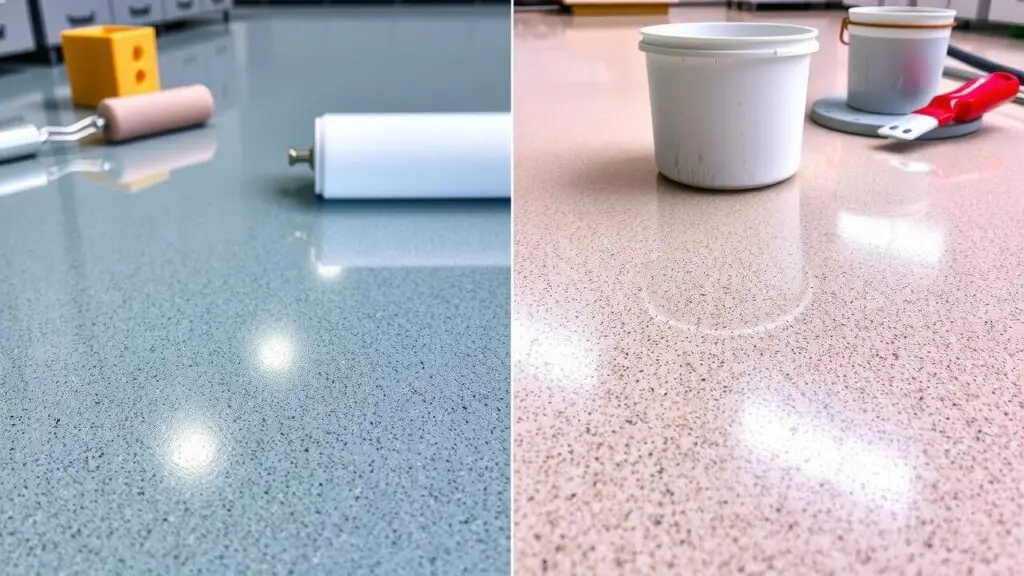
Epoxy coatings offer a wide range of color options and finishes, making them suitable for various aesthetic and practical applications. These coatings can be formulated in nearly any color, allowing for customization that meets the specific design requirements of residential, commercial, or industrial projects. Additionally, the finish can vary from high gloss to matte, providing designers and property owners flexibility in achieving the desired look.
The ability to incorporate decorative elements adds further versatility to epoxy coatings. Some formulations allow for the inclusion of metallic flakes or glitter, creating unique visual effects that enhance surface appeal. Other options, such as textured finishes, can improve the surface’s slip resistance and durability, making epoxy not only a beautiful choice but also a functional one for high-traffic areas.
Adhesion Properties of Epoxy
The adhesion properties of epoxy are one of its standout features, making it a preferred choice in many applications. This unique property allows epoxy to bond well with a variety of substrates, including metals, wood, concrete, and plastics. Its versatility stems from the strong chemical bonds formed during the curing process, ensuring that the coating remains firmly adhered to the surface. This characteristic is critical in high-stress environments where coatings may face challenges such as temperature variations, moisture exposure, and mechanical abrasion.
Industries rely on these robust adhesion properties for enhanced performance and durability. The effectiveness of epoxy in adhering to various surfaces reduces the likelihood of peeling or chipping, which can be common with other types of coatings. This reliability is particularly crucial in sectors such as automotive and construction, where safety and longevity are paramount. Applying epoxy in a well-prepared environment can maximize its bonding capabilities and prolong the life of coated surfaces.
Bond Strength with Various Substrates
Epoxy coatings are renowned for their exceptional bond strength with a range of substrates, making them a popular choice in various industrial applications. When applied to concrete, metals, wood, and even glass, epoxy demonstrates superior adhesion capabilities. This strong bond minimizes the risk of delamination and peeling, ensuring long-lasting durability. The chemical structure of epoxy formulations contributes to their ability to create a resilient interface, providing effective mechanical interlock and chemical bonding with the surface.
Different substrates may require specific surface preparations to enhance the bond strength of epoxy coatings. For instance, concrete surfaces should be properly cleaned and roughened to promote better adhesion. In the case of metal substrates, removing any contaminants such as oil or rust is vital to achieving optimal results. Each substrate type presents unique challenges, but when prepared adequately, epoxy can achieve impressive tensile and shear strength, making it suitable for demanding environments where performance is critical.
| Substrate Type | Surface Preparation | Bond Strength (psi) | Applications |
|---|---|---|---|
| Concrete | Clean and roughen surface | 2,500 – 5,000 | Floor coatings, repair materials |
| Metal | Remove oil, rust, and contaminants | 3,000 – 6,000 | Auto parts, machinery, structural components |
| Wood | Sand and clean surface | 1,500 – 3,000 | Furniture, cabinetry, flooring |
| Glass | Clean and prime surface | 1,800 – 4,000 | Art applications, bonding glass components |
Maintenance Requirements for Epoxy
Epoxy coatings are well-known for their durability and resistance to wear, making them an excellent choice for various applications. Despite this resilience, regular maintenance is essential to prolong the life of the coating and maintain its appearance. Routine cleaning with mild detergents helps remove dirt and grime. Avoiding abrasive cleansers is crucial, as they can scratch the surface and compromise the coating’s integrity.
Repairing any damage promptly is also vital in ensuring lasting performance. Minor scratches or chips can often be filled with a compatible epoxy filler. For more significant damage, reapplying a fresh layer of epoxy may be necessary. Keeping the surface sealed and intact prevents moisture from seeping beneath the coating, which could lead to peeling or delamination over time. Frequent inspections allow for proactive maintenance, ensuring that the epoxy remains functional and visually appealing in the long run.
Cleaning and Repair Recommendations
Proper cleaning is essential in maintaining the integrity of epoxy coatings. Surfaces should be regularly inspected for dirt, grease, and other contaminants that may undermine adhesion over time. A gentle detergent mixed with warm water is often sufficient for routine cleaning. For tougher stains, a scrub brush may be employed, but abrasive materials should be avoided to prevent damaging the surface. Ensuring that the surface is completely dry before reapplication of any coatings is crucial to avoid moisture entrapment.
When it comes to repairs, minor surface blemishes can often be fixed with a simple touch-up application. It is important to sand the damaged area lightly to create a smooth surface for better adhesion. Following the manufacturer’s guidelines for mixing and applying the epoxy ensures that the repair blends seamlessly with the existing coating. For extensive damage, complete resurfacing may be necessary, requiring the removal of the old epoxy layer before applying a new coat.
Safety Considerations When Using Epoxy
When working with epoxy, understanding the necessary safety precautions is essential to minimize health risks. Epoxy components may contain chemicals hazardous to skin and respiratory health. It is important to work in a well-ventilated area to reduce inhalation risks. Using protective gloves, goggles, and masks can help prevent skin contact and breathing in fumes. Each specific epoxy product will have its own safety data sheet (SDS) detailing the potential hazards and recommended safety measures.
Proper handling and disposal of epoxy materials are also crucial for safety. Spills should be cleaned immediately using appropriate materials to prevent slips and exposure. Unused epoxy should be stored securely and discarded following local regulations to minimize environmental impact. Being vigilant about these safety measures not only protects the individual applying the epoxy but also contributes to a safer workspace overall.
Personal Protective Equipment (PPE)
When working with epoxy, it is crucial to prioritize safety by utilizing appropriate personal protective equipment (PPE). Essential items include gloves made from chemical-resistant materials, which protect the skin from direct exposure to harmful compounds. Safety goggles or face shields are also necessary to shield the eyes from splashes and fumes. Additionally, respiratory protection may be required, especially in poorly ventilated spaces, to prevent inhalation of harmful vapors.
Selecting the right PPE not only ensures safety but also enhances the overall efficiency of the work process. Using a combination of equipment tailored to the specific epoxy product can significantly reduce health risks. Providing training and clear guidelines on the proper use of PPE further helps in maintaining a safe working environment. Regularly inspecting protective gear for wear and tear is equally important to guarantee its effectiveness during application.
Epoxy vs. Polyurethane Coatings
Epoxy and polyurethane coatings each have distinct advantages that make them suitable for different applications. Epoxy coatings are favored for their unparalleled adhesion properties and chemical resistance, making them ideal for environments that demand durability. They cure to form a hard, rigid surface that can withstand heavy impact and abrasion. This characteristic makes epoxy a popular choice for industrial floors and other high-traffic areas. On the other hand, polyurethane coatings offer a more flexible finish that can withstand UV exposure and harsh environmental conditions, making them well-suited for outdoor applications.
When comparing longevity and performance, epoxy typically outlasts polyurethane in indoor settings, especially when it comes to chemical exposure. Polyurethane coatings excel in scenarios requiring UV stability and color retention over time. They maintain their aesthetic appeal better than epoxy, which can yellow or become dull when exposed to sunlight. Therefore, the choice between these coatings often hinges on the specific environmental factors and required performance characteristics of the intended application.
Performance and Use Case Differences
Epoxy coatings are known for their robust performance in demanding environments. They provide excellent resistance to chemicals, moisture, and wear, making them suitable for industrial applications and high-traffic areas. These coatings can adhere effectively to various substrates, including concrete and metal, which enhances their versatility. In contrast, polyurethane coatings offer a more flexible finish and are often preferred for applications requiring UV stability. Their ability to resist yellowing when exposed to sunlight makes them ideal for outdoor use.
The specific use case for each type of coating often depends on the project requirements. Epoxy is commonly chosen for flooring in warehouses and manufacturing plants due to its durability and long-lasting finish. Polyurethane might be selected for automotive finishes or exterior surfaces where aesthetics and elasticity are prioritized. Each coating’s performance characteristics—ranging from hardness to flexibility—can significantly influence the selection process, ensuring that the right product is utilized for the right environment.
- Epoxy coatings excel in high-traffic industrial settings.
- Polyurethane offers UV resistance for outdoor applications.
- Epoxy is more rigid, providing a hard surface ideal for heavy equipment.
- Polyurethane’s flexibility can accommodate movement without cracking.
- Epoxy is preferred for chemical-resistant flooring in laboratories.
- Polyurethane is often used in decorative applications for its glossy finish.
- The choice between the two coatings can dramatically impact project longevity and maintenance needs.
Epoxy vs. Paint Coatings
When comparing epoxy coatings to traditional paint coatings, one of the key differences lies in their longevity and protective capabilities. Epoxy coatings are known for their exceptional durability and chemical resistance. They form a hard, thick layer that withstands harsh environmental conditions and impacts better than most paints. This resistance makes epoxy ideal for areas subject to heavy wear, such as garage floors and industrial settings, where paint can chip or fade quickly.
In terms of protection levels, epoxy provides a more formidable barrier against moisture and chemicals, which is particularly beneficial in environments like laboratories and commercial kitchens. Paint coatings, while offering aesthetic appeal, often require more frequent reapplication and maintenance to preserve their appearance and protective qualities. This makes epoxy a more cost-effective solution over time, as its longer lifespan reduces the need for recurring labor and material costs associated with standard paint jobs.
Longevity and Protection Levels
Epoxy coatings are known for their exceptional durability, making them a preferred choice for various applications. Their resistance to wear, chemicals, and environmental factors contributes significantly to their longevity. When properly applied, epoxy can last for many years, often outlasting traditional paint finishes. This resilience is particularly important in high-traffic areas or environments exposed to harsh conditions, where other coatings may degrade quickly.
Protection levels offered by epoxy coatings are also noteworthy. They create a tough, impermeable barrier that helps prevent moisture, stains, and corrosion from reaching the substrate. This characteristic is especially beneficial for surfaces in industrial settings, where contaminants might otherwise compromise structural integrity. The combination of durability and strong protective properties ensures that epoxy coatings not only enhance the appearance of surfaces but also extend their lifespan significantly.
Epoxy in Industrial Applications
In various sectors, epoxy is valued for its robust characteristics and versatility. Common applications include flooring solutions in warehouses, manufacturing plants, and laboratories. The ability to create seamless surfaces ensures cleanliness and ease of maintenance. Epoxy coatings can withstand heavy foot traffic and the stress of machinery, making them ideal for industrial settings. Their resistance to chemicals and abrasions contributes to prolonged durability, reducing the need for frequent replacements.
Additionally, the adhesive properties of epoxy make it suitable for bonding materials together. It is often utilized in constructing machinery parts and providing structural support. The capability to enhance the strength of materials ensures that products maintain integrity under demanding conditions. With ongoing advancements in epoxy formulations, industries continue to explore new applications that capitalize on its benefits.
Common Uses in Manufacturing
Epoxy coatings are widely utilized in various manufacturing sectors due to their robust protective qualities. They provide excellent resistance to chemicals and physical wear, making them ideal for coating industrial floors, equipment, and machinery. The automotive industry, for example, employs epoxy for its exceptional adhesion and durability, ensuring that components withstand harsh environments and maintain high-performance standards.
Additionally, epoxy systems are key in the aerospace sector, where lightweight and resilient materials are essential. They are often used in composite structures, bonding parts together while enhancing overall strength and stability. This versatility allows manufacturers to optimize performance across diverse applications, from protective coatings to structural components, ensuring reliability and efficiency in production processes.
Innovations in Epoxy Technology
Recent advancements in epoxy technology have led to the development of more environmentally friendly formulations. Manufacturers are increasingly focusing on creating low-VOC (volatile organic compound) and eco-resin options. These innovations not only enhance the safety profile of epoxy coatings but also broaden their applications. The incorporation of bio-based materials allows for improved sustainability without sacrificing performance or durability.
Additionally, advancements have been made in the realm of curing processes. Faster curing epoxies enable quicker turnaround times for projects, making them more appealing for both industrial and commercial uses. New curing agents and methods have improved the adhesion qualities of epoxy on challenging substrates, ensuring better longevity under various environmental conditions. Enhanced flexibility and resistance to chipping and abrasion further elevate epoxies as a preferred choice for diverse applications.
Emerging Trends and Developments
The landscape of epoxy technology continues to evolve with innovative formulations that enhance performance and expand application possibilities. Recent advancements include the development of bio-based epoxy resins, which utilize renewable resources to reduce environmental impact. These resins maintain the durability characteristic of traditional epoxies while promoting sustainability. Additionally, improvements in curing agents, such as light-activated systems, allow for faster curing times and lower emissions, making them suitable for a variety of settings.
Another noteworthy trend is the integration of smart technologies into epoxy systems. This can encompass coatings that change color in response to specific stimuli or those embedded with sensors to monitor structural integrity. These smart epoxies not only add functionality but also enhance safety and maintenance efficiency in both industrial and consumer applications. As manufacturers continue to prioritize these cutting-edge developments, the versatility and adaptability of epoxy coatings appear set to flourish in the coming years.
Conclusion
Epoxy coatings offer unique benefits that make them suitable for a variety of applications. Their durability, chemical resistance, and strong adhesion properties set them apart from other coating techniques. Whether used in industrial settings or for residential projects, the choice of an epoxy coating can significantly impact performance and longevity.
As innovations continue to enhance epoxy technology, users can expect improved formulations that cater to specific needs and environments. The ongoing development of this versatile material supports a wide range of uses, emphasizing its role as a leading choice in both professional and DIY applications.
FAQS
What are the main advantages of using epoxy coatings compared to other types of coatings?
Epoxy coatings offer superior adhesion, chemical resistance, and durability, making them ideal for industrial applications and environments where performance is critical.
How do the color and finish varieties of epoxy compare to other coatings?
Epoxy coatings are available in a wide range of colors and finishes, allowing for customization. However, some other coatings may offer more texture or aesthetic options depending on the specific product.
What maintenance is required for epoxy coatings?
Epoxy coatings generally require minimal maintenance, but regular cleaning and timely repairs are essential to maintain their appearance and performance.
What personal protective equipment (PPE) is recommended when applying epoxy?
Recommended PPE includes gloves, safety goggles, and respiratory protection to prevent exposure to fumes and skin contact during the application process.
How does the performance of epoxy compare to polyurethane coatings?
While both provide excellent protection, epoxy coatings typically offer greater adhesion and chemical resistance, whereas polyurethane coatings may provide a more flexible finish and better UV resistance.