Table of Contents
ToggleKey Takeaways
- Drying and hardening durations are crucial for successful refinishing.
- Post-refinishing upkeep is essential for longevity.
- Budgeting for bathtub refinishing involves several financial factors.
- Avoiding frequent errors can lead to better results.
- Deciding between hiring an expert or tackling the project yourself is important.
- Familiarizing yourself with regional laws is necessary before starting.
- Improving your bathtub’s look can significantly increase its appeal.
Step-by-Step Guide to Spray Painting
Begin by thoroughly cleaning the bathtub to remove soap scum, oils, and any debris. Use a mild abrasive cleaner to scrub the surface. Rinse well and let it dry completely. Once clean, assess the surface for any chips or cracks that may need repair. Fill these imperfections with a suitable filler and sand the area to ensure smoothness. After the repairs are made, tape off any areas that you do not wish to paint, such as the faucet, edges, or surrounding tile.
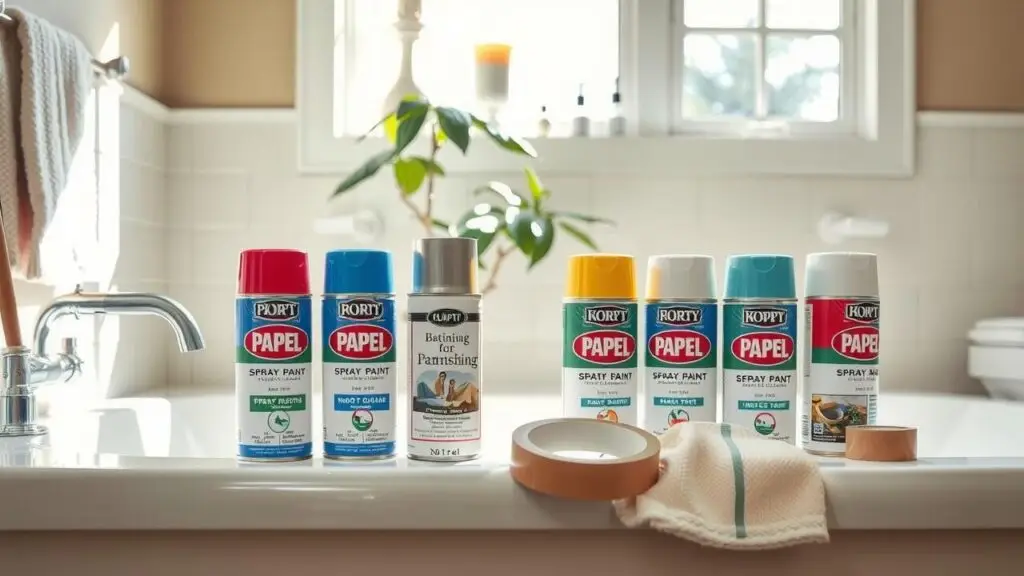
Next, gather all necessary materials, including the chosen spray paint designed for bathtubs, primer, drop cloths, and a mask for safety. Apply a primer to promote adhesion and enhance the painting process. Hold the spray can about 12-18 inches away from the surface, applying even coats. It’s better to apply multiple thin layers than one thick coat; this approach minimizes drips and allows for even coverage. Allow each coat to dry according to the manufacturer’s recommendations before adding subsequent layers.
Drying and Curing Times
The drying time for spray paint on a bathtub typically varies depending on the type of paint used, environmental conditions, and application technique. Generally, most spray paints will become tack-free within 30 minutes to an hour. At this stage, the surface may feel dry to the touch, but it is important to allow additional time for the paint to cure fully. While initial drying may be quick, full curing can take anywhere from several days to a week. This timeline is crucial for achieving a durable finish that can withstand moisture and wear.
Humidity and temperature play significant roles in the drying and curing process. Higher humidity can extend drying times, whereas warmer temperatures may speed them up. It is advisable to follow manufacturer recommendations for specific drying and curing times. Monitoring the environment helps ensure optimal conditions for the longevity of the finish. Using fans or dehumidifiers can enhance airflow and accelerate drying, but caution should be exercised to avoid dust settling on the wet paint.
Ensuring Proper Set-Up for Durability
A successful spray paint job begins with thorough preparation of the bathtub surface. Cleaning the tub to remove any soap scum, grime, or oils is essential. Using a mixture of vinegar and baking soda can effectively lift stubborn residue. After cleaning, sanding the surface slightly to create a rough texture helps the paint adhere better. A thorough rinse is necessary to eliminate any dust particles that may interfere with the painting process.
Proper ventilation during the painting process is crucial. Open windows and use fans to circulate air, minimizing the risk of inhaling harmful fumes. Applying a primer specifically designed for high-moisture environments optimizes the paint’s durability and resistance against chipping. Following the manufacturer’s instructions on application and drying times can ensure a strong bond and more effective finish, leading to a long-lasting result.
Maintenance After Refinishing
After refinishing your bathtub, proper maintenance is essential to preserve the new finish. Regular cleaning with non-abrasive products will help avoid damaging the surface. It’s important to use gentle sponges or soft cloths instead of scouring pads which can scratch and wear down the finish. Additionally, keeping the tub dry between uses can prevent mold and mildew, which may lead to further deterioration.
Over time, you may notice some wear and tear despite careful upkeep. Addressing any minor scratches or chips promptly will prevent them from expanding. Applying a fresh coat of specialized spray paint can restore the bathtub’s appearance. Reinforcing the finish with a clear sealant may also add an extra layer of protection, extending the life of your refinished surface.
Tips for Long-Lasting Finish
Proper surface preparation is essential for achieving a durable finish. Begin by thoroughly cleaning the bathtub to remove any soap scum, oils, and debris. Sanding the surface lightly helps in creating a better grip for the spray paint. After cleaning and sanding, apply a primer designed for bathroom surfaces. This step can improve adhesion and provide an additional barrier against moisture, which can compromise the integrity of the paint over time.
Choosing the right spray paint is just as important. Opt for high-quality, water-resistant paint specifically formulated for porcelain or fiberglass surfaces. Follow the manufacturer’s instructions regarding application techniques, and apply several thin coats instead of one thick coat. This method reduces the risk of drips and ensures even coverage. Finally, after the last layer of paint, allow ample time for curing to guarantee a strong and long-lasting finish.
Cost Considerations
When planning a bathtub refinishing project, understanding the costs involved is essential. The price can vary significantly based on the quality of materials used, such as the type of spray paint and primer. Professional-grade products tend to offer better durability and finish, but they also come with a higher price tag. Additionally, one must account for the cost of necessary tools, which may include brushes, rollers, and drop cloths. For those opting for a DIY approach, these expenses can quickly add up, leading to a total that may exceed the cost of hiring a professional.
Labor costs represent another important factor when considering overall expenses. Professionals typically charge for their time, which may include prep work and application. Some may offer warranties on their work, adding value despite the initial cost. It’s crucial to weigh these costs against potential savings from a DIY project. While doing it yourself can be less expensive, it may require a significant investment of time and effort to achieve a satisfactory finish.
Budgeting for Materials and Tools
Estimating the costs associated with bathtub refinishing requires careful consideration of both materials and tools. Common items needed include quality spray paint specifically formulated for bathtubs, a primer if necessary, masking tape, drop cloths, and safety gear like masks and gloves. Depending on the type of paint chosen, prices can vary significantly. It’s essential to research and compare products to find those that provide the best balance of quality and cost.
In addition to materials, the right tools can greatly impact both the process and final results. A professional-grade spray gun can offer a smoother finish than cheaper alternatives, though it may come with a higher upfront cost. If opting for DIY, consider potential rental fees for equipment or purchasing used tools to manage the budget effectively. Budgeting should also include allowances for any unexpected expenses that may arise during the refinishing process.
| Item | Estimated Cost (USD) | Notes |
|---|---|---|
| Quality Spray Paint | $20 – $50 | Specially formulated for bathtubs, prices vary by brand |
| Primer | $15 – $30 | May be needed for better paint adherence |
| Masking Tape | $5 – $10 | For protecting edges and surfaces |
| Drop Cloths | $10 – $20 | To protect the floor and surrounding areas |
| Safety Gear (Mask, Gloves) | $10 – $25 | Essential for personal protection during the process |
Common Mistakes to Avoid
One frequent oversight during bathtub refinishing is insufficient surface preparation. Skipping this critical step can lead to poor adhesion of the spray paint. Thoroughly cleaning the bathtub, sanding the surface, and removing any previous coatings are essential actions. Failing to do this may result in chipping and peeling shortly after the refinishing is complete. Properly priming the surface can also enhance the overall finish and longevity of the paint.
Another common mistake is not allowing adequate drying and curing times between coats. Many people underestimate how long it takes for spray paint to fully cure. Rushing the process can compromise the finish, leading to an uneven appearance. Consulting the paint manufacturer’s guidelines for specific drying times is advisable. Taking the time to ensure each layer sets properly reduces the chances of needing to redo the entire project due to a lack of patience.
Pitfalls in Bathtub Spray Painting
One common mistake when spray painting a bathtub is inadequate surface preparation. Failing to thoroughly clean, sand, and prime the surface can lead to poor adhesion. Dust, grease, or residual soap scum can create unevenness in the final finish. Also, neglecting to follow the manufacturer’s guidelines for surface treatment can compromise the durability of the new coating.
Another pitfall is ignoring the significance of environmental conditions during application. High humidity and low temperatures can affect the drying process, resulting in a finish that may not cure properly. It’s essential to check the weather forecast and ensure proper ventilation in the working area. Attempting to spray paint a bathtub in less-than-ideal conditions can lead to a subpar result, making adjustments and repairs necessary shortly after completion.
Choosing a Professional vs. DIY
Opting for a professional service for bathtub refinishing often brings peace of mind. Skilled technicians possess the experience and equipment necessary to achieve a high-quality finish. They typically understand the nuances of different materials, ensuring optimal adherence and durability. Hiring experts can also save time, allowing homeowners to focus on other aspects of home improvement without worrying about proper techniques or potential missteps.
Conversely, tackling the project as a DIY endeavor can be an appealing option for those who enjoy hands-on work and wish to save on costs. With the right materials and preparations, it’s possible to achieve satisfactory results. However, this approach requires careful planning and adherence to safety protocols. Collecting the necessary tools and thoroughly researching methods will be essential to avoid common pitfalls that might arise during the process.
Pros and Cons of Each Approach
Choosing a professional for bathtub refinishing often guarantees high-quality results. Professionals bring experience and specialized tools to the job, which can lead to a more durable finish. Additionally, hiring an expert may save time, as they typically work more efficiently than a novice. However, the cost of professional refinishing can be significant, and budget constraints can make this option less appealing for some homeowners.
On the other hand, taking a DIY approach can be a cost-effective solution for those willing to invest time and effort. This route allows for greater control over the project and can be rewarding upon completion. Access to online resources and tutorials can aid in the process. Nonetheless, lack of experience may lead to mishaps, resulting in an uneven finish or a shorter lifespan for the refinished surface. It is essential to weigh both options carefully to determine which best fits your budget and skill level.
- Professional refinishing ensures high-quality, durable results.
- DIY approach can save money, making it more budget-friendly.
- Professionals often complete the job faster due to their expertise.
- A DIY project allows for personal customization and satisfaction.
- Lack of experience in DIY can lead to mistakes and a subpar finish.
- Access to online tutorials can assist DIY enthusiasts.
- Homeowners should carefully assess their skills and budget before deciding.
Understanding Local Regulations
Local regulations can impact the choice of materials and methods used in bathtub refinishing projects. Many cities and states have specific codes regarding the types of chemicals and coatings allowed in residential environments. It is crucial to research and understand these regulations to ensure compliance and safety. Failure to adhere to local laws could result in fines or the need for additional corrective measures, which can increase project costs.
Homeowners should also be aware of health regulations that govern the use of certain materials. For instance, some spray paints may contain volatile organic compounds (VOCs), which have guidelines surrounding their use. Ensuring that the products chosen meet these regulations will help maintain both the safety of the inhabitants and the integrity of the home. Seeking information from local building authorities can provide clarity on any necessary permits or specific requirements for bathtub refinishing.
Compliance with Housing and Health Codes
When engaging in bathtub refinishing, it’s crucial to familiarize yourself with local housing and health codes. Regulations can vary by state and municipality, affecting how materials, especially chemicals used in spray paint, must be handled. Some areas may require specific ventilation measures, especially when using volatile organic compounds (VOCs). Ignoring these regulations could lead to fines or mandated work stoppages.
In addition, compliance is essential for ensuring a safe environment during and after the refinishing process. Health codes may dictate proper protective equipment for workers, including masks and gloves, to minimize exposure to harmful substances. Understanding these requirements allows homeowners to proceed with peace of mind, knowing they are adhering to safety standards while enhancing their bathtubs.
Enhancing Your Bathtub’s Appearance
A well-finished bathtub can transform a bathroom space. To enhance its appearance, consider incorporating stylish accessories such as elegant bath mats, matching shower curtains, and trendy soap dispensers. These elements can complement the new surface and elevate the overall aesthetic of the area.
Adding a fresh coat of paint to surrounding fixtures can create a cohesive look. Ensure that the colors harmonize with the refinished bathtub. Small details like adding decorative trim or wall art can further enrich the environment, making it feel inviting and complete.
Additional Finishing Touches to Consider
After successfully refinishing your bathtub, consider adding additional elements to enhance its overall appearance. Decorative fixtures such as a new faucet or updated knobs can create a cohesive and modern aesthetic. Additionally, incorporating bath mats or stylish shower curtains can complement the newly painted surface, making the space feel inviting and well thought out.
Another way to elevate the look of your refinished bathtub is through strategic lighting. Installing new light fixtures or utilizing ambient lighting can create a more relaxed atmosphere. Mirrors also play a crucial role in bathroom design; they can reflect light and make the space appear larger. Choosing the right colors and accessories ensures that your refinished bathtub not only stands out but also harmonizes with the rest of the bathroom decor.
Conclusion
Choosing the right spray paint for bathtub refinishing is crucial to achieving a durable and visually appealing finish. Each step in the process, from preparation to application, greatly impacts the final result. Proper technique and quality materials can significantly enhance durability and appearance, making the bathtub more enjoyable and functional.
Consideration of maintenance post-refinishing also plays a vital role. Regular upkeep can prolong the life of the finish and keep the surface looking fresh. Investing time in understanding the intricacies of both DIY and professional options ensures that homeowners make informed decisions, resulting in satisfaction with their refinishing project.
FAQS
What type of spray paint is best for bathtub refinishing?
The best spray paint for bathtub refinishing is a specifically formulated epoxy or acrylic enamel, as these types provide durability and resistance to water and chemicals.
How long does it take for spray paint on a bathtub to dry?
Drying times can vary, but typically, spray paint will be dry to the touch within 30 minutes to an hour. However, full curing can take anywhere from 24 to 48 hours, depending on the product used and environmental conditions.
What should I do to prepare my bathtub before spray painting?
Proper preparation includes thoroughly cleaning the surface to remove soap scum and grime, sanding the surface lightly to promote adhesion, and ensuring the area is well-ventilated.
How can I maintain my refinished bathtub for longevity?
To maintain your refinished bathtub, avoid using harsh cleaning chemicals, use soft sponges or cloths for cleaning, and regularly check for any signs of wear or damage.
Is it better to hire a professional for bathtub refinishing or do it myself?
It depends on your skill level and budget. Hiring a professional typically ensures a high-quality finish and saves time, while DIY can be more cost-effective but may require more effort and experience to achieve a good result.