Table of Contents
ToggleKey Takeaways
- User Feedback and Evaluations
- Process of Application in Detail
- Care Suggestions for Fixed Bathtubs
- Ecological Factors
- Locations to Purchase Repair Kits
- Possible Hazards and Difficulties
- Upcoming Developments in Bathtub Restoration
Budget-Friendly Options vs. Premium Kits
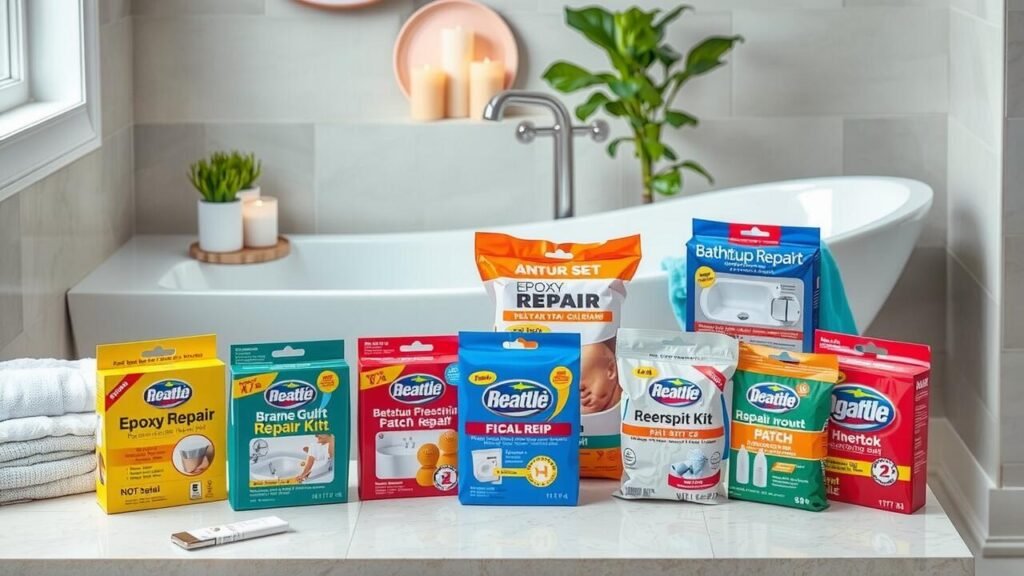
When considering bathtub repair kits, affordability often plays a crucial role for many consumers. Budget-friendly options typically offer basic solutions for minor issues, such as small chips, scratches, or worn finishes. These kits tend to include essential tools and materials, making them accessible for individuals looking to tackle simple repairs without significant investment. However, while they may serve short-term needs effectively, results might not last as long as those achieved with more comprehensive products.
On the other hand, premium kits provide a more extensive range of features and benefits, often resulting in more durable and aesthetically pleasing repairs. These higher-end options may include advanced materials, detailed instructions, and additional tools designed for specific types of damage. Users often find that investing in a premium kit pays off in the long run, as the quality and longevity of repairs tend to far exceed those of budget alternatives. Preferences between budget-friendly and premium kits largely depend on the scope of the repair needed and the desired outcome.
Customer Reviews and Ratings
Feedback from users often highlights the effectiveness of various bathtub repair kits in addressing common issues such as chips, cracks, and surface discoloration. Many customers emphasize the ease of application and the satisfaction derived from restoring their bathtubs without professional assistance. Ratings vary across different brands, reflecting personal experiences and differing expectations. Some users report a significant improvement in the appearance of their tub after using a budget-friendly product, while others feel that investing more in a premium kit yields better long-term results.
Consumer ratings frequently reveal trends in product performance, with many users posting before-and-after photos alongside their reviews. Positive ratings often commend the durability of the repairs and the longevity of the finish, while negative feedback typically focuses on issues like color mismatch or the longevity of the repair. It is not uncommon for customers to share tips and tricks in their reviews, assisting others in their choices and the application process. This shared knowledge contributes to a community of informed consumers when it comes to selecting the right kit for their specific needs.
User Experiences and Satisfaction Levels
Many users report varying levels of satisfaction after using bathtub repair kits. While some appreciate the ease of application and cost-effectiveness, others find themselves struggling with technical aspects and long-term durability. Positive reviews often highlight the instant transformation of a worn-out tub into an appealing fixture. Conversely, negative feedback usually stems from issues like inadequate adhesion, leading to peeling or chipping within a few months.
Customer testimonials frequently emphasize the importance of following instructions closely for optimal results. Users who meticulously adhere to guidelines generally achieve better outcomes. Those who experiment or skip steps often encounter disappointing results. This divide in experiences underlines the necessity of setting realistic expectations based on individual skill levels and the complexity of the repair kits chosen.
| Repair Kit Brand | User Rating (out of 5) | Common Praise | Common Complaints |
|---|---|---|---|
| EZ Tub Repair Kit | 4.5 | Easy application, fast results | Adhesion issues, requires multiple coats |
| Homax Tough as Tile | 4.0 | Durable finish, good color match | Peeled after a few months, tricky instructions |
| Rust-Oleum Tub and Tile Refinishing Kit | 4.2 | Comprehensive instructions, strong results | Lengthy drying time, strong odor |
| Bathworks Restoration Kit | 3.8 | Affordable, transforms appearance | Requires experience, not long-lasting |
Step-by-Step Application Process
Begin by thoroughly cleaning the surface of the bathtub. Use a non-abrasive cleaner to remove soap scum, grime, and any oils. After cleaning, ensure the bathtub is completely dry before proceeding. This step is crucial as moisture can prevent the adhesive or sealant from adhering properly. If the surface has any cracks or chips, these should be filled first, following the manufacturer’s instructions for the appropriate filler.
Once the surface is prepped, read the instructions included with your selected repair kit carefully. Each kit may have specific application techniques. Generally, apply the repair compound to the affected area using a putty knife or applicator tool, ensuring an even layer. Allow the repair to cure as specified, and avoid using the bathtub until the recommended drying time has elapsed. After curing, a light sanding may smooth the surface, making any final touches necessary to blend the repair with the surrounding area.
Tips for Successful Repairs
Choosing the right time to perform repairs can greatly impact the outcome. Working in a well-ventilated area is essential to ensure that any fumes from adhesives or sealants dissipate quickly. Having all necessary tools and materials ready before starting can save time and reduce frustration during the application process.
Surface preparation is crucial for a successful repair. Clean the area thoroughly to remove dirt, soap scum, and any existing coatings. Sanding the surface lightly enhances adhesion for the repair material. Following the manufacturer’s instructions on application techniques will provide the best results. Patience in allowing proper curing and drying times can make a significant difference in the longevity of the repair.
Maintenance Tips for Repaired Bathtubs
Keeping a repaired bathtub in good condition requires regular maintenance practices. It is important to avoid abrasive cleaners that can damage the surface. Instead, opt for gentle cleansers that are specifically designed for use on repaired surfaces. Regularly check for any signs of wear or deterioration, as early detection can help prevent larger issues from developing.
Additionally, ensure proper drying after each use to prevent moisture buildup. Leaving the bathtub wet can lead to mold and mildew, which may compromise the integrity of the repair. Using a squeegee or towel to wipe down the surface can make a significant difference. Consider applying a protective sealant periodically to enhance durability and maintain the aesthetic appeal of the repaired areas.
How to Prolong the Life of Repairs
Maintaining a repaired bathtub requires a few essential practices to ensure longevity. Regular cleaning with gentle, non-abrasive cleaners helps prevent wear on the repair surface. Avoiding harsh chemicals is crucial, as they can gradually degrade the repair material, leading to more extensive damage over time. Additionally, it’s advisable to avoid using scrub brushes that could scratch the surface; instead, soft sponges or cloths work best.
Another important aspect of prolonging repairs involves monitoring for any signs of leaks or deterioration. Addressing these issues promptly can prevent small problems from escalating into significant damage. Keeping the repaired area dry and well-ventilated can also help reduce moisture accumulation, which might weaken the adhesive bond of the repair kit. Overall attention to these details can significantly enhance the durability of the repair work conducted.
- Regularly inspect the repaired area for cracks or discoloration.
- Use mats or liners to protect the repaired surface from heavy impacts.
- Ensure proper drainage to avoid standing water around the tub.
- Apply a sealant to the repair area if recommended by the repair kit manufacturer.
- Limit the use of heavy bath products that may wear down the repaired surface.
- Schedule periodic professional inspections to assess the condition of the repair.
- Maintain a consistent cleaning routine to upkeep the repaired area.
Environmental Considerations
Bathtub repair presents both opportunities and challenges in terms of environmental impact. Many traditional repair kits use chemicals that can emit volatile organic compounds (VOCs), which may contribute to indoor air pollution and pose health risks over time. Choosing products that are free from harsh chemicals not only supports a healthier living environment but also reduces the overall ecological footprint associated with bathroom maintenance.
Eco-friendly options are becoming increasingly available, catering to consumers who prioritize sustainable living. Some kits utilize water-based adhesives and biodegradable materials, offering efficient repair solutions without harmful side effects. These environmentally conscious choices help minimize waste and promote responsible consumerism while ensuring that repairs do not compromise health or safety.
Eco-Friendly Options in Bathtub Repair
An increasing number of consumers are becoming environmentally conscious when it comes to home repairs, including bathtub restoration. Eco-friendly repair kits often use non-toxic materials that are safer for both users and the environment. Many brands now offer options free from harsh chemicals, allowing for effective repairs without contributing to indoor air pollution or damaging waterways.
In addition to safe materials, some eco-friendly kits emphasize durability and long-lasting effects. These products can be made from recycled content, further enhancing their sustainability profile. Homeowners looking for greener alternatives will find that such kits not only meet their repair needs but also align with their values regarding environmental responsibility.
Where to Buy Bathtub Repair Kits
Bathtub repair kits are widely available through various retailers, catering to different preferences and needs. For those who enjoy the convenience of online shopping, e-commerce platforms such as Amazon, Walmart, and specialty home improvement websites offer a vast selection. Shoppers can compare prices, read customer reviews, and often benefit from fast shipping options. Online shopping also provides the advantage of browsing multiple brands and types without the limitations of local stock.
Local home improvement stores, like Home Depot or Lowe’s, are excellent alternatives for those who prefer to see the product firsthand before purchasing. These stores typically carry popular brands and may provide in-person assistance from knowledgeable staff who can recommend the best options based on specific repair needs. Checking the availability of kits in-store is advisable, as inventory may vary by location. Besides standard retail outlets, hardware stores in the community often carry repair kits, further expanding choices for consumers.
Online Retailers vs. Local Stores
The convenience of online retailers makes them a popular choice for purchasing bathtub repair kits. Shoppers can easily compare products, read reviews, and often find better deals than in physical stores. Many online platforms provide detailed descriptions and user feedback, which can help consumers make informed decisions. The ability to shop from home adds another layer of convenience, especially for those with busy schedules.
Local stores, on the other hand, offer the advantage of immediate access to products. Customers can inspect items firsthand, ensuring they meet specific needs before making a purchase. Additionally, in-store staff may provide personalized advice and recommendations based on their expertise. This tactile experience can be valuable for those unsure about the right kit for their particular situation.
Potential Risks and Challenges
Repairing a bathtub can come with several risks that users should be aware of before undertaking the project. One of the primary concerns is using the wrong materials or techniques, which can lead to further damage. Homeowners may also underestimate the time and effort required to complete the repair correctly. In some cases, improper application can make issues worse rather than effectively addressing them, leading to costly professional repairs.
There are also safety hazards associated with bathtub repair kits. Many products contain chemicals that can be harmful if not handled properly. It’s essential to work in a well-ventilated area and wear appropriate protective gear, such as gloves and masks. Furthermore, if the repair is not done according to the manufacturer’s instructions, it may result in a poor finish that doesn’t hold up well over time, requiring repeat repairs and additional expenses.
Common Mistakes to Avoid
Using the wrong repair kit for your specific bathtub material is a common mistake that can lead to inadequate results. Each type of bathtub—whether it’s acrylic, fiberglass, or porcelain—requires a different approach and specific products designed for optimal adhesion and durability. Not paying attention to these details can result in peeling, cracking, or the repairs failing prematurely.
Another frequent error involves neglecting proper surface preparation before applying the repair material. Thorough cleaning and sanding of the damaged area are vital steps to ensure proper adhesion. Skipping this part of the process can trap debris or moisture, leading to failure in the bonding and ultimately resulting in a repair that won’t hold up over time.
Future Trends in Bathtub Repair
The future landscape of bathtub repair is likely to be shaped by advancements in materials and technologies. Manufacturers are focusing on more durable and sustainable options that promise longer-lasting repairs. Innovations, such as repair kits that embed nanotechnology, aim to provide stronger bonds and better resistance to wear and tear. Furthermore, the introduction of eco-friendly materials not only caters to environmentally conscious consumers but also improves the overall repair experience by minimizing harmful emissions.
Smart technology is also making its presence felt within this industry. Some companies are exploring the use of augmented reality to assist users during the repair process. This technology can guide individuals step-by-step, ensuring that even those with minimal DIY skills can achieve professional-quality results. The integration of these trends suggests a promising future where bathtub repairs become more accessible and efficient for everyone.
Innovations and Advancements in Repair Technology
Recent advancements in bathtub repair technology have transformed the way homeowners address damage and wear. New materials, such as advanced epoxy resins and flexible polyurethane, offer improved adhesion and durability. These innovations allow for seamless repairs that can withstand moisture and temperature fluctuations without compromising aesthetics. Additionally, products featuring built-in color matching systems simplify the process of achieving a uniform look, making it easier to blend repairs with the existing surface.
The incorporation of user-friendly kits into the market has revolutionized DIY repairs. Many new kits come with comprehensive guides, step-by-step videos, and pre-measured components, catering to those with little to no prior experience. This shift towards accessibility not only empowers homeowners but also encourages routine maintenance of bathtubs, extending their overall lifespan. As manufacturers continue to invest in research and development, the future of bathtub repair technology promises further enhancements and user-focused solutions.
Conclusion
In summary, the choices available for bathtub repair kits cater to a wide range of budgets and preferences. Users can find effective solutions whether they opt for a cost-effective option or a more advanced product designed for durability and professional-grade results.
The selection process should involve careful consideration of customer reviews, ease of application, and the specific needs of the bathtub. By being informed about both the product and the proper repair techniques, homeowners can achieve satisfying results that enhance the longevity and appearance of their bathtubs.
FAQS
What are some budget-friendly options for bathtub repair kits?
Budget-friendly options typically include simple epoxy or patch kits that can effectively address minor chips and cracks without the need for professional help. Brands like Rust-Oleum and Bathworks often offer affordable solutions.
How do premium bathtub repair kits differ from budget-friendly options?
Premium kits usually feature higher-quality materials, provide a more seamless finish, and often include additional tools or applicators for ease of use. They may also come with warranties or guarantees for longer-lasting results.
Are there any common mistakes to avoid when using bathtub repair kits?
Yes, common mistakes include not properly cleaning the area before application, failing to follow the manufacturer’s instructions, and applying too thick a layer of repair material. It’s crucial to take your time and ensure the surface is prepared correctly.
How can I ensure the longevity of my bathtub repairs?
To prolong the life of your repairs, follow maintenance tips such as avoiding harsh chemical cleaners, using non-abrasive scrubbers, and regularly inspecting the repaired area for signs of wear or damage.
Where can I purchase bathtub repair kits?
Bathtub repair kits can be purchased at various locations, including online retailers like Amazon and Home Depot, as well as local hardware or home improvement stores. It’s advisable to compare prices and read reviews before making a purchase.