Table of Contents
ToggleKey Takeaways
- Importance of warmth in fixing harm
- Steps to avoid future blemishes
- Situations that require expert assistance
- Evaluating acrylic against various bathtub substances
- Ongoing maintenance for acrylic tubs
- Financial aspects of scratch restoration
- Investigating different repair techniques
Step-by-Step Guide to Filling Scratches
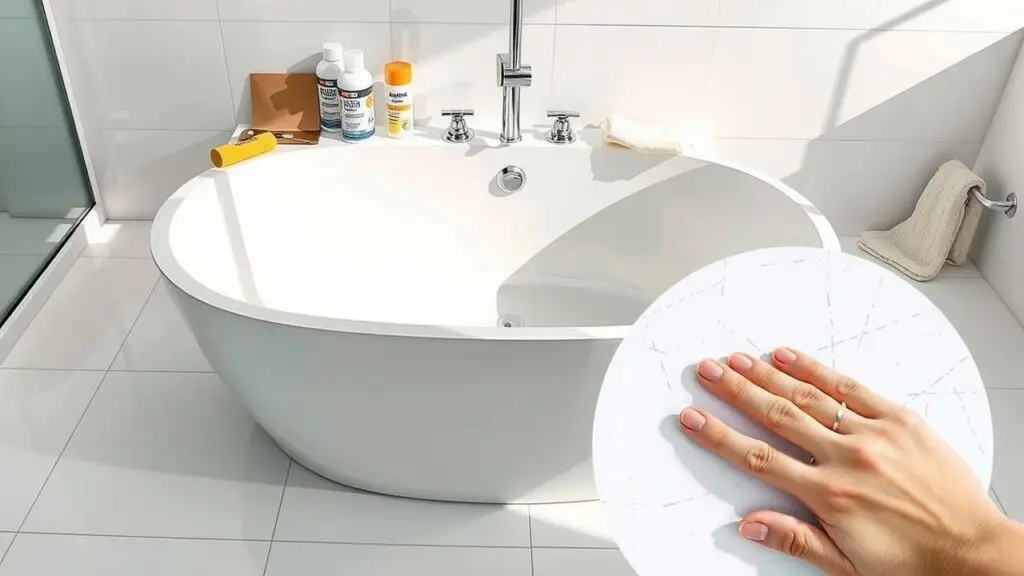
To effectively address scratches on acrylic bathtubs, start by gathering essential materials. You’ll need a clean cloth, fine-grit sandpaper, a mixing applicator, and an acrylic repair kit. Thoroughly clean the scratched area with a suitable bathroom cleaner to remove soap scum or debris. Rinse and dry the surface completely before moving on to the next steps.
Next, assess the depth of the scratches. For shallow scratches, gently sand the area with fine-grit sandpaper in a circular motion. This helps remove the damaged surface while blending it with the surrounding area. If the scratches are deeper, follow the instructions included in the repair kit to mix the filler properly. Apply it to the affected area, ensuring a smooth and even distribution, then allow it to cure as per the manufacturer’s guidelines.
The Role of Heat in Damage Repair
Heat plays a crucial role in repairing scratches on acrylic bathtubs. It can soften the acrylic surface, allowing it to expand and fill in imperfections. When the material is heated to an appropriate temperature, the scratch becomes less pronounced, creating the opportunity for a smoother finish. Different methods, such as using a heat gun or hot water, can be effective depending on the type and severity of the damage.
Applying heat must be done with care. Overheating can lead to further damage or warping of the surface. A consistent, moderate temperature is key to ensuring that the acrylic responds well without risking any additional imperfections. Utilizing heat as part of the repair process can significantly enhance the outcome and restore the bathtub’s appearance.
Utilizing Heat to Smooth Out Scratches
Applying heat can significantly enhance the process of repairing scratches on acrylic bathtubs. A heat gun or a hairdryer set on low can be used to carefully warm the scratched area. The heat causes the acrylic material to become malleable, allowing it to settle back into its original form. It’s crucial to keep the heat source at a safe distance to prevent warping the acrylic. Moving the heat source around in circular motions ensures an even distribution of warmth, which aids in achieving the desired smoothness without creating additional damage.
After warming the scratch, a gentle tool, such as a soft cloth or sponge, can be used to buff the area. This action helps to blend the warmed surface more seamlessly with the surrounding material. Be mindful not to apply excessive pressure, as the goal is to smooth the scratch rather than create new one. This method not only addresses minor scratches but can also enhance the overall appearance of the bathtub, making it look polished and well-maintained.
Preventative Measures for Future Scratches
Maintaining the pristine condition of an acrylic bathtub requires a few simple preventative measures. Using bath mats and non-slip stickers can provide a layer of protection against accidental knocks and scrapes. It’s also advisable to avoid using abrasive cleaners or sponges, as they can easily scratch the surface. Regular cleaning with a soft cloth and mild soap will help preserve the glossy finish while minimizing the risk of damage.
Additionally, ensuring that sharp or heavy objects are kept away from the bathtub’s edges can significantly reduce the chances of scratches. When installing fixtures or accessories, take care to handle tools carefully and place protective barriers where necessary. Regularly checking for signs of wear and promptly addressing minor issues can prevent them from escalating into more significant problems, maintaining the tub’s overall integrity.
Tips to Maintain an Acrylic Bathtub
Regular cleaning is essential for preserving the appearance of an acrylic bathtub. Use mild, non-abrasive cleaners that won’t scratch the surface. Abrasive materials, such as steel wool or rough sponges, should be avoided as they can lead to permanent damage. Instead, opt for soft cloths or sponges. Rinsing the tub thoroughly after each use helps prevent soap scum and mineral buildup.
Keeping the temperature of water in check is crucial for acrylic bathtubs. Extreme heat can warp the material over time. It’s advisable to avoid scalding water and let the temperature remain within a moderate range. Additionally, consider placing non-slip mats or pads inside the tub. This can help reduce the risk of scratches caused by items falling or sliding during use.
When to Seek Professional Help
Not all scratches on acrylic bathtubs can be successfully repaired at home. In cases where the damage is extensive or deep, the risk of further harming the surface increases. If scratches are affecting the integrity of the bathtub or creating sharp edges, it is wise to contact a professional. They possess specialized tools and expertise, ensuring thorough repair that maintains the quality of the acrylic.
Another indicator that professional intervention may be necessary is if you have attempted DIY methods without success. Persistent imperfections, discoloration, or a mismatch in surface finish often signal that the issue requires a skilled hand. Professionals can assess the damage comprehensively and carry out repairs that restore the bathtub’s original appearance. This not only enhances aesthetics but also prolongs the life of the fixture.
Identifying Signs for Professional Intervention
Some scratches on an acrylic bathtub may be minor and manageable through DIY methods. However, deeper scratches or cracks that penetrate the surface can compromise the integrity of the tub. If water begins to seep through these damages, it can lead to more significant issues, such as mold growth or structural weakening. Signs of significant damage include noticeable indentations, persistent discoloration around the scratch, or any peeling of the acrylic surface.
When assessing the damage, consider the overall appearance of the bathtub. If scratches are widespread or if the surface has become dull and worn, it may be time to consult a professional. A trained technician can provide a thorough evaluation and recommend appropriate repair options. Additionally, if you feel uncomfortable attempting repairs or lack the necessary tools, seeking professional help is prudent to avoid further damage.
Comparing Acrylic to Other Bathtub Materials
Acrylic bathtubs have gained popularity for their lightweight design and ease of installation. Compared to alternatives like cast iron or fiberglass, acrylic tends to be warmer to the touch, providing a more comfortable experience for users. Additionally, acrylic surfaces can be repaired more easily when compared to fiberglass, which often requires more extensive treatments for scratches and damage. However, while acrylic is relatively resistant to chipping, it may still be vulnerable to scratches, which can affect its appearance over time.
On the other hand, cast iron bathtubs are known for their durability and sturdiness. These tubs are heavy and resistant to dents, but they can chip or rust if the enamel coating is damaged. Fiberglass tubs are typically durable as well, but they may discolor or crack more easily than their acrylic counterparts. Each material comes with its own set of benefits and challenges, making it essential for homeowners to consider their specific needs and preferences when choosing a bathtub type.
Scratch Resistance of Various Bathtub Materials
Acrylic bathtubs are known for their smooth finish and aesthetic appeal, but they are more prone to scratches compared to some other materials. While they offer a lightweight and cost-effective choice, the softer surface can be easily damaged by abrasive cleaning tools or sharp objects. Homeowners should be mindful of this vulnerability and take precautions to keep their acrylic bathtubs in good condition.
In contrast, fiberglass bathtubs provide a similar lightweight option with slightly enhanced scratch resistance. However, they can still show signs of wear over time if not properly maintained. Cast iron and steel tubs, coated with enamel, are quite durable and resistant to scratches but come at a higher price point. Ultimately, the choice of bathtub material involves balancing appearance, durability, and maintenance needs to ensure long-lasting satisfaction.
Long-term Care for Acrylic Bathtubs
Maintaining the appearance and integrity of an acrylic bathtub requires a consistent care routine. Regular cleaning with mild, non-abrasive cleaners can prevent the buildup of soap scum and mineral deposits. Using a soft cloth or sponge will help avoid scratching the surface. Avoiding harsh chemicals and abrasive pads is crucial, as these can lead to long-term damage.
In addition to routine cleaning, periodic inspections for minor scratches or damage can help catch issues early. Addressing imperfections promptly minimizes further deterioration. Applying a protective coating designed for acrylic surfaces can also prolong the life of the bathtub. These actions contribute to preserving both the aesthetic appeal and structural integrity over time.
Maintenance Tips to Extend Lifespan
Regular cleaning is essential for preserving an acrylic bathtub’s surface. Use mild, non-abrasive cleaners specifically designed for acrylic. Harsh chemicals can dull the finish and make the surface more susceptible to scratches. A soft sponge or cloth ensures that dirt and soap scum are removed without scratching the acrylic. Rinse the bathtub thoroughly after cleaning to prevent any residue buildup.
In addition to proper cleaning, it is important to protect the bathtub from sharp objects and heavy impacts. Avoid allowing heavy items to fall into the tub or using abrasive scrubbing tools. Placing non-slip mats or bathmats can provide a protective layer while also enhancing safety. Keeping the temperature moderate when using hot water can also prevent thermal stress, which can lead to cracks over time. These proactive measures can significantly prolong the life of an acrylic bathtub.
| Maintenance Task | Recommended Product | Frequency |
|---|---|---|
| Regular Cleaning | Mild Non-Abrasive Cleaner | Weekly |
| Surface Protection | Soft Sponge/Cloth | After Each Use |
| Preventing Scratches | Non-slip Mat | As Needed |
| Avoiding Thermal Stress | Temperature Control | Always |
Cost Considerations for Scratch Repair
Repairing scratches on acrylic bathtubs can come with a range of costs depending on the method chosen. DIY repair kits often provide a cost-effective solution, with prices generally ranging from $15 to $40. These kits usually contain all necessary materials for minor scratches, making them an appealing option for homeowners looking to save money. However, if the damage is more extensive or if the homeowner lacks the confidence to attempt a repair, hiring a professional can significantly increase expenses, typically ranging from $100 to $300.
Budget considerations also include the frequency of repairs required. If scratches and damage are common, investing in higher-quality acrylic materials could save money in the long run. Additionally, regular maintenance and preventative measures may reduce repair costs over time. Homeowners should also account for their own skills and comfort level when determining whether to opt for DIY repairs or professional help.
Budgeting for DIY vs. Professional Repair
Repairing scratches on an acrylic bathtub can vary significantly in cost, depending on whether a homeowner decides to tackle the project themselves or hire a professional. DIY repairs typically require a modest investment in materials such as acrylic fillers, sandpaper, and polishing compounds. Many supplies are available at local home improvement stores or online, which may make this approach more appealing for budget-conscious individuals. However, inexperience can lead to additional costs if mistakes occur, necessitating further repairs or professional intervention.
On the other hand, opting for professional repair services can incur higher upfront expenses. Professional technicians often charge for labor alongside the materials they use, which can drive the total cost up considerably. However, hiring a skilled expert may provide peace of mind and a guarantee of quality results. This route minimizes the risk of mishaps but requires careful consideration of the specific budget available for bathtub maintenance. Balancing the initial expenses with the potential value of a long-lasting, pristine finish is crucial when deciding which path to take.
Exploring Alternative Repair Methods
There are various innovative techniques for repairing scratches on acrylic bathtubs that can offer effective solutions aside from traditional methods. One approach involves using specially formulated acrylic compounds. These compounds can fill in scratches while adhering firmly to the surface, providing a seamless repair that blends well with the existing acrylic. Additionally, there are kits available that include sandpaper, filler compound, and polishing agents, allowing for a comprehensive repair process.
Another alternative is utilizing specialized acrylic refinishing sprays. These sprays can cover minor scratches and create a protective layer over the bathtub’s surface. They are easy to apply and can offer a quick fix for imperfections. The use of these sprays usually requires minimal preparation, making them attractive options for homeowners looking for an efficient solution. Each method has its own set of advantages, allowing for flexibility based on the severity of the scratches and the desired outcome.
Innovative Techniques for Scratch Repair
Repairing scratches on acrylic bathtubs can benefit from innovative techniques that enhance both aesthetics and durability. One method involves using a specialized acrylic repair kit, which typically includes a mixture of acrylic resin and a hardener. This solution not only fills scratches but also bonds seamlessly with the existing material, creating a polished finish. Some kits come with application tools designed for precision, ensuring that the repair integrally matches the bathtub’s original surface.
Another emerging technique uses laser technology for scratch removal. This method works by precisely heating the scratched area, causing the acrylic to melt slightly and level out imperfections. The result is a smooth surface that can be difficult to distinguish from the unblemished areas. While laser repairs may require specialized equipment and skilled technicians, they represent a modern solution that can achieve remarkable results without extensive labor.
- Regular maintenance can help prevent scratches from forming in the first place.
- Consider using non-abrasive cleaning products to preserve the surface integrity of your acrylic bathtub.
- Always perform a patch test in a less visible area before applying any repair solution.
- Keep your bathtub covered or protected from heavy objects that could cause scratches.
- For deeper scratches, it may be beneficial to consult a professional for assistance.
- Research and read reviews on repair kits to choose the most effective option for your needs.
- Properly follow the instructions provided in the repair kit for the best results.
Conclusion
Caring for an acrylic bathtub involves understanding its unique properties and implementing effective maintenance strategies. Repairing scratches can enhance the surface’s appearance and prolong its usability, ensuring a pleasant bathing experience. The techniques explored offer valuable insights for both DIY enthusiasts and those considering professional services.
Preventative measures play a crucial role in maintaining the integrity of acrylic bathtubs. Regular cleaning and mindful usage can significantly reduce the likelihood of scratches. By following these guidelines, homeowners can enjoy their bathtubs for years to come, preserving both beauty and functionality.
FAQS
What common methods can I use to repair scratches on my acrylic bathtub?
Common methods for repairing scratches include using a repair kit specifically designed for acrylic surfaces, polishing compounds, and heat application to smooth out scratches.
Can heat really help in repairing scratches on an acrylic bathtub?
Yes, heat can help in repairing scratches on acrylic bathtubs. Applying controlled heat can soften the acrylic, allowing minor scratches to be smoothed out effectively.
How can I prevent future scratches on my acrylic bathtub?
To prevent future scratches, avoid using abrasive cleaners or scrubbers, use bath mats to protect the surface, and be cautious with sharp objects near the tub.
When should I consider hiring a professional for scratch repair?
You should consider hiring a professional if the scratches are deep, extensive, or if you are unsure about performing the repair yourself to avoid further damage.
How do acrylic bathtubs compare to other materials in terms of scratch resistance?
Acrylic bathtubs are generally more scratch-prone than materials like porcelain or fiberglass, but they can often be repaired more easily than these other materials.