Table of Contents
ToggleKey Takeaways
- Upkeep of Storage Spaces
- Utilizing Cleaning Products Safely
- Comprehending Dilution Proportions
- Combining Solutions Carefully
- Adequately Sealing Containers
- Recognizing Dangerous Substances
- Recycling and Environmentally Safe Disposal
Safety Measures for Households with Children and Pets
Ensuring the safety of children and pets in households that use cleaning solutions requires careful planning and organization. Store all cleaning products in a locked cabinet or on high shelves that are out of reach. Even seemingly harmless items can pose risks, so it’s essential to treat all cleaning solutions with caution. Clearly label all containers and ensure that original labels remain intact. A clear identification of products helps prevent accidental exposure and misuse.
Educate family members about the potential dangers associated with cleaning supplies. Teach children not to touch or play with these items, regardless of appearance. Designate specific areas for cleaning that children and pets should avoid during and shortly after cleaning tasks. Regularly review safety practices as family dynamics change. Adapt strategies to ensure the safety of all household members.
Maintenance of Storage Areas
Maintaining storage areas for cleaning solutions is crucial to ensure safety and efficiency. Regular inspections should be conducted to assess both the condition of the storage space and the supplies stored within. This includes checking for any leaks, spills, or expired products that need to be disposed of properly. An organized space helps prevent accidents and ensures easy access to cleaning supplies when needed.
Cleaning the storage area periodically is essential in keeping it functional. Dust and debris can accumulate over time, potentially contaminating cleaning products. Shelves and containers should be wiped down to remove any residue. Implementing a labeling system can further enhance organization, making it easier to identify products at a glance. This approach aids in maintaining an orderly environment while supporting effective cleaning practices.
Cleaning and Organizing Your Storage Space
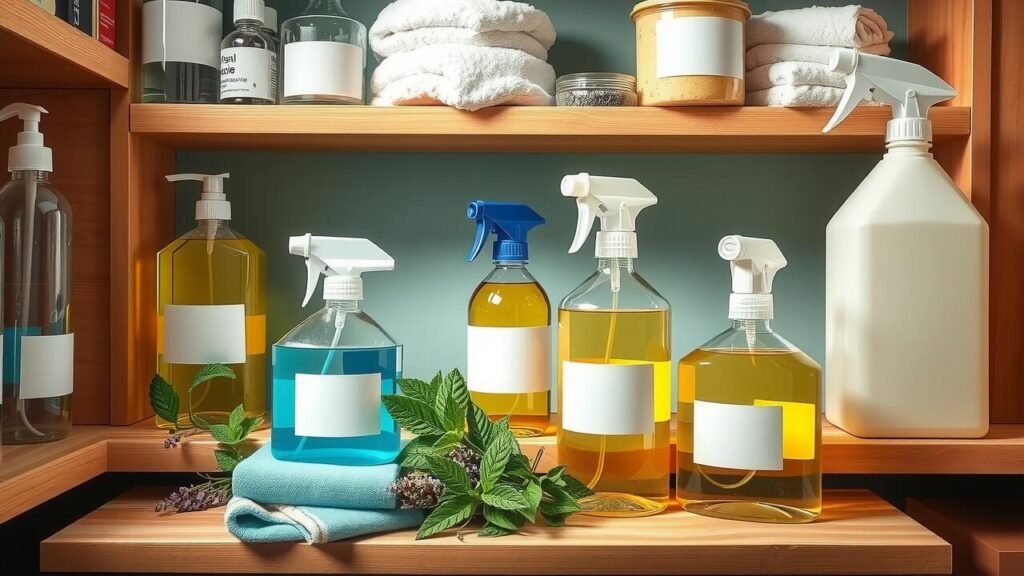
A well-organized storage area for cleaning solutions can enhance safety and efficiency. Start by removing all items from the storage space and sorting them based on usage frequency. Discard expired products and those that are no longer needed, following local disposal regulations. Wipe down shelves and surfaces to eliminate dust and residue. This creates a clean environment. Consider using clear, labeled bins to categorize items such as disinfectants, detergents, and specialized cleaners.
Utilizing vertical space is a smart way to maximize storage efficiency. Wall-mounted shelves or cabinets can keep larger bottles off the floor while maintaining easy access. Use baskets or caddies for frequently used items to streamline cleaning tasks. Ensure that all items are stored according to manufacturer recommendations. Keeping products upright can prevent leaks. Regularly review the organization of your storage area to ensure it remains tidy and functional.
Using Cleaning Solutions Safely
When using cleaning solutions, it is crucial to follow the manufacturer’s instructions regarding application and safety. Always work in well-ventilated areas to minimize inhalation of fumes. Wearing protective gear, such as gloves and goggles, can help prevent skin irritation and eye injury. Keep cleaning products out of reach of children and pets to avoid accidental ingestion or exposure.
Understanding the specific risks associated with each cleaning product can enhance safety measures. Different chemicals can pose various hazards, so it’s important to familiarize yourself with the potential effects they may have in case of spills or accidents. Having appropriate first aid supplies on hand can be beneficial in emergencies, ensuring that you are prepared for any unforeseen incidents while maintaining a clean environment.
Essential PPE to Wear
When handling cleaning solutions, wearing personal protective equipment (PPE) is crucial for ensuring safety. This includes gloves, goggles, and masks. Gloves protect the skin from harsh chemicals that can cause irritation or burns. Goggles shield the eyes from splashes and airborne particles, while masks can prevent inhalation of fumes and irritants that may be released during the cleaning process.
Selecting the appropriate PPE based on the type of cleaning solution being used is important. For example, ammonia-based cleaners require specific respiratory protection due to their strong fumes. Understanding the risks associated with each cleaning product guides the choice of PPE. Regular inspection of the equipment ensures that it remains functional and effective in providing protection while cleaning.
| PPE Item | Purpose | Recommended Use Cases |
|---|---|---|
| Gloves | Protects skin from chemicals | General cleaning, chemical spills |
| Goggles | Shields eyes from splashes | Cleansing with liquids, spraying cleaners |
| Mask | Prevents inhalation of fumes | Using ammonia-based or strong cleaners |
| Apron | Protects clothing and skin | Heavy-duty cleaning tasks |
| Face Shield | Offers full facial protection | High-risk cleaning with volatile chemicals |
Understanding Dilution Ratios
Dilution ratios play a crucial role in ensuring the effectiveness and safety of cleaning solutions. Understanding these ratios helps consumers mix the right amount of concentrate with water to achieve a solution that is both potent enough to clean effectively and safe for use around people, pets, and the environment. Each product typically comes with specific instructions regarding the appropriate dilution ratio, which should always be followed to avoid underdilution or over-dilution. Under-diluted solutions can result in ineffective cleaning, while over-diluted mixtures might lead to a lack of disinfection and increased residue left on surfaces.
When measuring dilution ratios, accuracy is essential. Using the wrong ratio can lead to decreased efficacy and potential hazards. Employing proper measuring tools, such as graduated cups or siphons, ensures precision. It is also advisable to keep a record of dilution ratios for frequently used products, creating a reference for future use. Keeping this information accessible can streamline the cleaning process and enhance safety, making it easier to maintain the desired concentration for various tasks.
How to Accurately Dilute Concentrated Solutions
Accurate dilution of concentrated cleaning solutions is essential for achieving effective cleaning results while ensuring safety. Begin by reading the label carefully to determine the recommended dilution ratio. This information often specifies how much concentrate to mix with water, which can vary based on the type of solution. Using a clean measuring cup or a graduated cylinder helps avoid contamination and ensures precise measurements. For larger quantities, employing a scale can help achieve the correct ratio, particularly when working with industrial-strength products.
Once the appropriate amounts are measured, always add the concentrated solution to water, not the other way around. This practice minimizes the risk of splashing and reduces the chances of creating harmful reactions. Stir gently to ensure the solution mixes evenly without generating excessive foam. Label the new container with the diluted solution’s name, concentration, and date of preparation. This helps maintain organization and ensures safe usage in the future.
Mixing Solutions Cautiously
When combining cleaning solutions, caution is paramount. Some household products contain chemicals that can create hazardous reactions when mixed, releasing harmful gases or causing violent reactions. For instance, combining bleach with ammonia produces toxic chloramine vapors, which can lead to respiratory issues and other health risks. Always refer to product labels for specific mixing instructions or warnings and ensure proper ventilation in your workspace.
It’s essential to use separate containers when preparing different cleaning solutions. This practice minimizes the risk of contamination and unintended reactions. If you’re ever unsure about the safety of mixing specific products, it is wise to consult a professional or use solutions one at a time. Safer alternatives, like using multipurpose cleaners, can also reduce the need for blending various chemicals in the first place.
Chemicals That Should Never Be Combined
Combining certain cleaning chemicals can lead to dangerous reactions, producing toxic fumes or even harmful explosions. For example, mixing bleach with ammonia creates chloramine vapors, which can irritate the respiratory system and cause serious health issues. Similarly, combining vinegar with hydrogen peroxide produces peracetic acid, a corrosive substance that can damage surfaces and harm skin.
It is essential to be aware of other common household products that should not be mixed. Drain cleaners with different active ingredients can react violently when combined. Even simple household items like baking soda and vinegar can produce excessive fizzing, leading to overflow and spills. Always check product labels and safety information to avoid unintentional chemical reactions that could pose a risk to your safety and well-being.
Properly Sealing Containers
Ensuring that cleaning solutions are stored in properly sealed containers is crucial for safety and effectiveness. Containers should be airtight to prevent spills and leaks. Always make sure lids are tightened securely after each use. This practice minimizes the risk of chemical degradation and keeps the contents stable over time.
It is also helpful to inspect containers regularly for any signs of damage or wear. A cracked or compromised container can lead to hazardous situations. Utilizing appropriate storage solutions, such as original packaging or chemical-resistant containers, can provide an extra layer of protection. Proper sealing complements overall organization and safety, making it essential for households with various cleaning supplies.
Best Practices for Preventing Leaks
Preventing leaks is critical for maintaining a safe and organized storage area for cleaning solutions. Always ensure that containers are tightly sealed after use. This simple step can significantly reduce the risk of accidental spills. Additionally, storing containers upright and on stable surfaces minimizes the potential for tipping or rolling. Always remain attentive to the condition of the container; if any wear or damage is noted, it’s best to replace it immediately.
Regularly inspect your storage containers for signs of leakage or deterioration. Check seals and caps on bottles and cans, ensuring they are intact and fit securely. When transferring solutions into different containers, use ones specifically designed for the substances being stored. Label all containers clearly to avoid confusion and ensure that anyone handling them is aware of their contents. Taking these precautions can help create a safer environment in homes, especially in areas accessible to children and pets.
Identifying Hazardous Materials
Recognizing hazardous materials in your cleaning products is crucial for ensuring safety in your home. Many common cleaning solutions contain toxic ingredients that can pose serious health risks. Always check product labels for signal words such as “danger,” “warning,” or “caution.” These indicators often highlight the level of toxicity and potential hazards associated with the substances. Additionally, pay attention to any hazard symbols, which can provide quick visual cues about the risks involved.
Understanding the specific components of your cleaning supplies can help you make informed decisions. Familiarize yourself with terms like “corrosive,” “flammable,” and “toxic” to assess the dangers correctly. If you are uncertain about any ingredient, consult the Safety Data Sheets (SDS) that manufacturers provide. These documents outline safety precautions and emergency measures for each product. Keeping a catalog of these materials can enhance your ability to manage hazardous substances effectively.
Reading Safety Data Sheets Effectively
Safety Data Sheets (SDS) are essential documents that provide information about the properties of chemical substances. Each SDS is broken down into sections that detail hazards, handling instructions, and emergency measures. When reading an SDS, pay special attention to sections that outline health hazards and first-aid measures. These sections provide crucial information for responding to accidents or exposure, ensuring that you know the appropriate actions to take in different scenarios.
Another important part of the SDS is the information regarding proper storage and disposal methods. Understanding these instructions can help reduce risks related to chemical reactions or environmental hazards. Familiarizing yourself with the overall structure of the SDS can enhance your ability to quickly find the necessary information when needed. Make it a habit to review the SDS for any cleaning solutions you may use regularly, maintaining a proactive approach to safety in your household.
Recycling and Eco-Friendly Disposal
Disposing of cleaning solutions in an environmentally friendly manner is vital for protecting natural ecosystems. Many commercial cleaning products contain chemicals that can be harmful to the environment. When finished with these products, check local regulations for recycling and disposal guidelines. Some communities offer special collection events for hazardous waste, allowing for safe disposal of such materials. Always read labels to determine the appropriate measures for disposal if the product cannot be recycled.
Recycling options may vary depending on the type of container. Plastic and glass containers often have recycling symbols, making them suitable for regular recycling streams. Before recycling, ensure that all containers are rinsed out to eliminate residue. Consider donating unused or unopened cleaning supplies to local shelters or non-profit organizations. By adopting these eco-friendly practices, households can effectively minimize their environmental footprint while maintaining cleanliness at home.
Sustainable Practices for Used Products
Recycling used cleaning products and packaging can significantly reduce environmental impact. Many manufacturers provide guidelines for proper disposal methods. It’s important to check local regulations regarding hazardous waste, as some cleaning solutions cannot be thrown away in regular trash. Containers should be emptied and rinsed to minimize contaminating recycling streams.
Composting is also a viable option for certain eco-friendly cleaning agents made from natural ingredients. Products with biodegradable components can break down properly when disposed of in a compost pile. Always ensure that bottles are clearly labeled and cleaned before recycling to enhance safety and reduce contamination risks. Embracing these practices helps promote sustainability within households and communities.
- Always check local recycling guidelines for specific cleaning products and packaging.
- Empty and rinse containers before recycling to reduce contamination.
- Look for eco-friendly and biodegradable cleaning agents when possible.
- Store used products properly to prevent leaks or spills that could harm the environment.
- Participate in local hazardous waste collection events to safely dispose of non-recyclable items.
- Educate others in your community about sustainable practices for used products.
- Consider repurposing cleaning containers for other uses instead of discarding them.
Conclusion
Maintaining a safe and organized space for cleaning solutions is essential for the health of your household. Ensuring that containers are properly sealed and stored in a secure location minimizes the risk of accidents. Awareness of the chemicals you use and their interactions further enhances your safety practices. By adhering to established guidelines and using personal protective equipment when necessary, you create a safer cleaning environment.
Additionally, understanding proper disposal and recycling methods promotes eco-friendliness in your cleaning routine. Keeping track of dilution ratios and mixing practices strengthens safety measures and promotes effective cleaning. By implementing these tips, you contribute not only to the cleanliness of your home but also to the well-being of your family and the environment.
FAQS
What are some safety measures to take when storing cleaning solutions in homes with children and pets?
Store cleaning solutions in locked cabinets or high shelves out of reach of children and pets. Use child-proof locks and clearly label all containers. Additionally, consider using non-toxic or eco-friendly cleaning products whenever possible.
How can I maintain my cleaning solution storage area?
Regularly check for leaks or spills, and clean the storage area frequently. Ensure that it is well-organized, with all products properly labeled and stored in their original containers. This helps in easy identification and access.
What personal protective equipment (PPE) should I wear when handling cleaning solutions?
It is advisable to wear gloves, goggles, and a mask or respirator, especially when dealing with concentrated solutions or strong chemicals. This helps protect your skin, eyes, and respiratory system from harmful substances.
How do I accurately dilute concentrated cleaning solutions?
Always refer to the product label for specific dilution ratios. Use a measuring cup or other precise measuring tool to mix the solution with water, ensuring to add the cleaner to the water rather than the other way around to prevent splashes.
What are some common chemicals that should never be combined when cleaning?
Never mix bleach with ammonia or vinegar, as this can produce toxic gases. Other dangerous combinations include hydrogen peroxide with vinegar and different types of drain cleaners, which can lead to hazardous reactions.