Table of Contents
ToggleKey Takeaways
- Instruments and Supplies Required
- Upkeep Following Refinishing
- Advantages of Expert Refinishing
- Financial Factors for Bath Refinishing
- Ecological Effects of Acrylic Refinishing
- Client Feedback and Case Examples
- Upcoming Developments in Bath Refinishing
Protective Gear and Ventilation Tips
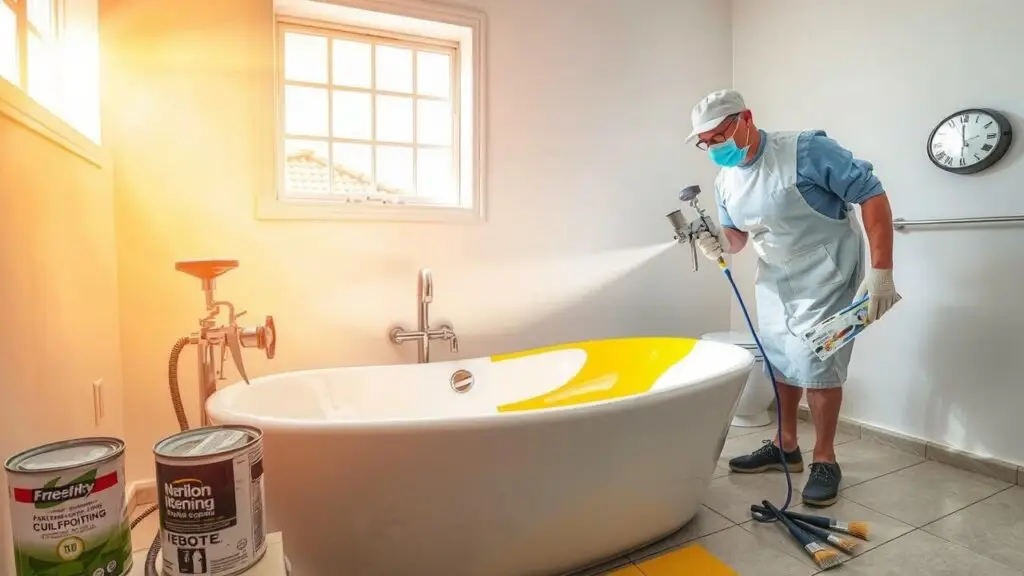
When refinishing an acrylic bath, wearing the appropriate protective gear is essential for safety. This typically includes gloves, safety goggles, and a mask designed to filter out harmful fumes. These items help shield the skin and respiratory system from chemicals present in the refinishing materials. In addition to personal protective equipment (PPE), proper clothing such as long sleeves and pants can further minimize exposure to harmful substances.
Ensuring adequate ventilation during the refinishing process is crucial for maintaining a safe environment. Open windows and doors to facilitate airflow. Using fans can also help disperse fumes more quickly, reducing the concentration of harmful vapors in the air. If working in a confined space, consider utilizing an air purifier to improve air quality. Maintaining a well-ventilated workspace contributes significantly to reducing health risks associated with chemical exposure.
Tools and Materials Needed
When embarking on an acrylic bath refinishing project, having the right tools and materials is essential for achieving a professional finish. Start with a high-quality acrylic refinishing kit, which typically includes a bonding agent, topcoat, and primer. Prepare to gather additional tools such as sandpaper, a paint roller, and a brush. These items ensure proper surface preparation and application, contributing to a durable outcome.
In addition to the refinishing kit, ensure you have protection supplies like gloves, masks, and goggles. These will help safeguard against harmful chemicals during the process. A ventilation system or fan can also improve air quality in the work area, making the experience safer. Having a drop cloth on hand can protect surrounding surfaces from accidental spills and drips, ensuring a neat workspace.
Essential Supplies for a Successful Refinishing
When embarking on an acrylic bath refinishing project, having the right tools and materials is essential for achieving a professional finish. A quality refinishing kit typically includes a primer, topcoat, and an adhesion promoter. These items work together to ensure that the new surface adheres properly and can withstand moisture and daily wear. Additionally, tools such as sandpaper, rollers, and brushes are crucial for preparing the surface and applying the refinishing materials evenly.
In addition to the primary refinishing supplies, consider including safety gear and ventilation equipment in your toolkit. Wearing gloves, goggles, and a respirator protects against harmful fumes and chemicals during application. Proper ventilation is equally important to facilitate the curing process and reduce the buildup of toxic substances in the air. Having these essentials on hand not only contributes to a successful refinishing job but also promotes a safer working environment.
Maintenance After Refinishing
After refinishing, proper maintenance is essential to preserve the appearance and longevity of an acrylic bath. Regular cleaning with gentle, non-abrasive products will help maintain its shine. Avoiding harsh chemicals or abrasive sponges is crucial to prevent damage to the newly finished surface. Rinsing thoroughly after cleaning ensures that no residue remains that could dull the finish over time.
Additionally, periodic inspections for signs of wear or damage should be part of routine maintenance. Addressing small issues early can prevent more extensive repairs down the line. Keeping the bath well-ventilated reduces humidity and moisture build-up, minimizing potential mold growth. With these simple practices, an acrylic bath can provide lasting beauty and functionality.
Best Practices to Extend Lifespan
To ensure the longevity of your refinished acrylic bath, regular maintenance is essential. Cleaning with mild, non-abrasive detergents will prevent scratching and preserve the glossy finish. Avoid harsh chemicals or scrubbing pads that can damage the surface, as these can lead to wear over time. Ensure that the bath is dried properly after each use to prevent water spots and mineral buildup.
Additionally, be mindful of the types of products you use in your bath. Consider avoiding oily bath products that can leave residues on the surface. Using a bath mat can also help protect the surface from scratches, especially in high-traffic areas. Implementing these small changes in your routine can significantly extend the lifespan of your refinished acrylic bath.
Benefits of Professional Refinishing
Hiring a professional for acrylic bath refinishing ensures a high-quality result that may be difficult to achieve independently. Experts possess the necessary knowledge and experience to handle various types of surfaces and materials. They are well-versed in the specifics of the curing process, which can significantly influence the durability and appearance of the finished product.
Moreover, professionals have access to specialized tools and materials that are not commonly available to the average homeowner. Their expertise can mitigate potential issues during the refinishing process, reducing the risk of mistakes that could lead to costly repairs. The time-saving aspect is also notable; professionals can complete the task efficiently, allowing homeowners to return to their normal routines with minimal disruption.
Why Hire an Expert for Curing
Having an expert oversee the curing process can significantly enhance the quality of the refinishing job. Professionals possess extensive knowledge of the materials involved and the specific techniques required for optimal results. Their experience helps ensure that the curing adheres properly, allowing for a durable surface that withstands wear and tear. Furthermore, they are trained to identify potential issues during the process, tackling them effectively before they become problematic.
In addition to technical skills, professionals utilize advanced tools and materials that may not be accessible to DIYers. This access can make a noticeable difference in the finish and longevity of the acrylic surface. Furthermore, hiring an expert provides peace of mind, knowing that the job is completed safely and effectively. Professional refinishing can lead to a more aesthetically pleasing outcome, transforming a worn bath into a brilliant fixture.
Cost Considerations for Bath Refinishing
Bath refinishing can significantly vary in cost depending on several factors. The size of the bathtub influences the amount of material required and the labor involved. Additionally, the choice of refinishing products and techniques can lead to differing price points. Homeowners should also consider the condition of the existing surface, as extensive repairs may increase overall expenses.
Beyond the immediate costs of materials and labor, long-term savings are important to weigh. A higher initial investment in quality refinishing services can result in durability and reduced maintenance needs over time. It’s essential to account for any additional costs related to preparation, clean-up, and potential follow-up services. By thoroughly researching options and requesting detailed estimates, homeowners can make informed financial decisions regarding their bath refinishing project.
Understanding Pricing Models
Pricing for acrylic bath refinishing can vary significantly based on several factors. The size and condition of the bathtub play a crucial role in determining labor and material costs. Additional services, such as repairs or extra refinishing layers, can also impact the overall price. Companies may offer different pricing tiers depending on the methods used, including whether traditional or modern techniques are employed.
Another aspect to consider is the geographic location. Prices may differ between urban and rural areas due to variations in cost of living and competition among service providers. It’s essential to gather multiple quotes to ensure a fair price. Understanding the scope of what is included in the pricing, such as warranties or aftercare services, can help consumers make more informed decisions when choosing a refinishing service.
| Service Provider | Base Price (Standard Tub) | Additional Services | Location | Warranty Period |
|---|---|---|---|---|
| ABC Bath Refinishing | $300 | Repair – $100, Extra Layer – $150 | Urban | 2 years |
| Quality Tub Restorations | $250 | Repair – $80, Extra Layer – $120 | Suburban | 1 year |
| Allied Bath Services | $350 | Repair – $120, Extra Layer – $180 | Urban | 3 years |
| Eco-Friendly Bathtub Refurbishing | $400 | Repair – $150, Extra Layer – $200 | Rural | 2 years |
Environmental Impact of Acrylic Refinishing
The acrylic refinishing process presents several environmental considerations. Traditional methods often involve the use of chemicals that can release harmful volatile organic compounds (VOCs) into the atmosphere. These emissions can contribute to air pollution and have adverse health effects on individuals who are exposed to them, especially in poorly ventilated spaces. The industry has been moving towards more sustainable practices, including the use of low-VOC and eco-friendly products. These alternatives help mitigate the impact on air quality and reduce the overall carbon footprint of the refinishing process.
Water usage is another factor to consider when evaluating the environmental impact. While refinishing acrylic surfaces typically uses less water compared to complete bathtub replacement, it is crucial to ensure that the runoff is managed effectively. Responsible disposal and recycling of waste materials, such as old coatings and chemical containers, can further limit the ecological footprint. Adopting eco-friendly practices not only aligns with sustainability goals but also assists businesses in appealing to environmentally conscious consumers looking for greener solutions in home improvement projects.
Eco-Friendly Practices in the Industry
The demand for eco-friendly practices in acrylic bath refinishing has grown significantly in recent years. Many companies are now opting for water-based coatings that emit fewer volatile organic compounds (VOCs), minimizing the environmental impact during the application process. This shift not only benefits the atmosphere but also enhances indoor air quality for homeowners. Additionally, refinishing acrylic baths can extend their lifespan, further reducing waste in landfills.
Sustainable practices also involve the careful selection of materials used in refinishing products. Recyclable packaging and the utilization of non-toxic substances are becoming standard among leading refinishing professionals. By committing to environmentally responsible methods, companies can appeal to eco-conscious consumers while contributing to a greener planet. Such efforts reflect a broader trend towards sustainability across various industries, emphasizing the importance of preserving resources and minimizing ecological footprints.
- Companies are adopting energy-efficient technologies to reduce their carbon footprints.
- Many refinishing businesses are implementing waste reduction strategies to minimize excess material usage.
- There is a growing trend of using biodegradable cleaning products during the refinishing process.
- Industry certifications for eco-friendly practices are becoming more popular, helping to standardize environmentally responsible methods.
- Awareness campaigns are being launched to educate consumers about the benefits of eco-friendly refinishing options.
- Collaboration with sustainability-focused organizations is on the rise, fostering innovation in eco-friendly practices.
Customer Testimonials and Case Studies
Customers frequently share their experiences after having their acrylic baths refinished, highlighting significant transformations in both appearance and functionality. One homeowner reported a noticeable enhancement in the look of their bathroom, describing the refinished tub as “like new.” Many testimonials also reflect satisfaction with the smooth finish, which not only improved the overall aesthetics but also offered a non-porous surface that is easier to clean and maintain.
Case studies reveal similar positive feedback, emphasizing the long-term benefits of refinishing. A recent survey of clients showed that those who opted for professional services found the investment worthwhile, with several individuals noting a dramatic increase in their home’s value. Practical examples illustrate the potential of refinishing to extend the lifespan of bathtubs, affirming the effectiveness of the process and the importance of choosing reputable professionals within the industry.
Real-Life Experiences with Cured Acrylic Baths
Many homeowners have shared their positive experiences after refinishing their acrylic baths, highlighting the stunning results that came from a professional job. One customer described how the surface of their bath was completely transformed, appearing brand new and seamlessly smooth. They noted that the refinishing process succeeded in eliminating unsightly scratches and dullness that had accumulated over the years. The gloss and shine achieved not only enhanced their bathing experience but also uplifted the overall aesthetic of their bathroom.
Others have expressed satisfaction with the durability of the refinished surfaces. They reported that weeks, even months after the curing process was completed, their baths retained the original beauty and functionality. Routine cleaning became easier, and they appreciated the effort taken by professionals to ensure a lasting result. Testimonials consistently emphasize the value of investing in this service, as it successfully combines affordability with high aesthetic returns while extending the life of the fixture.
Future Trends in Bath Refinishing
The bath refinishing industry is witnessing a shift towards more sustainable and eco-friendly practices. Manufacturers are focusing on developing materials that have a lower environmental impact, which includes using water-based and low-VOC (volatile organic compounds) formulations. These innovations not only enhance safety during the refinishing process but also reduce harmful emissions that can negatively affect indoor air quality.
Technological advancements are also playing a crucial role in refining acrylic surfaces. New curing techniques involve the use of UV light and other energy-efficient methods that accelerate the drying process while maintaining the quality of the finish. These innovations can lead to quicker turnaround times and improved durability, making refinishing solutions more appealing to homeowners and professionals alike. The ongoing research and development in this sector promise exciting possibilities for enhancing both the performance and aesthetics of refinished baths.
Innovations in Curing Techniques
Recent advancements in technology have brought about more efficient and effective curing techniques for acrylic bath refinishing. These innovations often involve the use of specialized drying systems that utilize ultraviolet (UV) light or infrared heat. Such methods can significantly reduce the overall curing time, allowing the refinishing process to be completed more quickly while still achieving a durable finish. The precision of these techniques also helps in achieving a perfect bond between the acrylic surface and the refinishing materials, enhancing overall longevity.
Additionally, new formulations of acrylic coatings have emerged that offer improved flexibility and resistance to wear and tear. These products are designed to cure at various pressures and temperatures, making them suitable for a wider range of environments. Enhanced durability not only contributes to a finished product that looks great but also holds up against daily use. With these innovations, the refinishing industry continues to evolve, promising better results for homeowners looking to rejuvenate their bathrooms.
Conclusion
Refinishing acrylic baths offers a cost-effective solution to maintain and enhance the aesthetic appeal of bathrooms. The curing process plays a crucial role in ensuring durability and resistance against daily wear and tear. By following the right techniques and utilizing appropriate materials, homeowners can enjoy their refinished baths for years to come.
Investing in professional services can further guarantee the quality of the refinishing process. Experts possess the skills and knowledge to handle curing effectively, yielding a glossy finish that not only looks stunning but also withstands the test of time. As homeowners weigh their options, considering the long-term benefits and maintenance of refinished baths is essential.
FAQS
What is the curing process in acrylic bath refinishing?
The curing process in acrylic bath refinishing refers to the time it takes for the refinishing material to harden and bond properly to the surface, ensuring a durable and long-lasting finish.
How long does the curing process take?
The curing time can vary based on the specific materials used and environmental conditions, but it typically ranges from 24 to 48 hours for initial hardening, with full curing potentially taking up to a week.
Do I need special equipment for the curing process?
While you don’t need special equipment, it is essential to have proper ventilation and protective gear, such as masks and gloves, during the refinishing process to ensure safety and optimal curing conditions.
Can I use my acrylic bath immediately after refinishing?
It is recommended to wait at least 24 to 48 hours after refinishing before using your acrylic bath to allow for proper curing. Following the manufacturer’s guidelines is crucial for achieving the best results.
What are some best practices to ensure a successful curing process?
Best practices include ensuring adequate ventilation, maintaining a stable room temperature, avoiding moisture during curing, and following the manufacturer’s instructions for application and curing times.