Table of Contents
ToggleKey Takeaways
- Addressing Frequent Problems
- Improving Traction
- Ecological Factors
- Financial Assessment of Colored Epoxy Coatings
- Evaluating Other Flooring Alternatives
- Self-Installation vs. Expert Setup
- Practical Illustrations and Case Studies
Cleaning and Care Practices
Maintaining the appearance and durability of colored epoxy coatings requires regular cleaning and care. Use a soft-bristle broom or a dust mop to remove debris and dirt, preventing scratches on the surface. For deeper cleaning, a mixture of mild detergent and warm water can effectively lift stains without damaging the epoxy finish. It’s essential to rinse thoroughly and avoid using harsh chemicals or abrasive scrubbers that can wear down the protective layer.
In addition to routine cleaning, performing periodic inspections is crucial. Check for signs of wear, such as chips or discoloration, and address any issues promptly. Applying a compatible epoxy sealer can help rejuvenate the surface and enhance its protective qualities. Keeping the area dry and minimizing exposure to extreme temperatures also contributes to the longevity of the epoxy coating, ensuring it remains vibrant and functional over time.
Troubleshooting Common Issues
When working with colored epoxy coatings, various issues may arise during or after application. One of the most common problems is surface bubbling, often caused by moisture trapped beneath the coating. This can happen if the substrate was not adequately dried or if the ambient humidity levels were too high at the time of application. To resolve this, consider allowing additional drying time before applying the epoxy or improving ventilation in the area.
Another frequent concern is color fading or discoloration over time. This issue may result from prolonged exposure to direct sunlight or harsh cleaning chemicals. To mitigate this effect, it is advisable to choose UV-stable pigments and implement a regular maintenance routine. Using appropriate cleaning solutions that are safe for epoxy surfaces can help preserve the original appearance and prolong the life of the coating.
Identifying and Fixing Problems
When issues arise with colored epoxy coatings, being able to identify the root cause is crucial. Common problems include bubbling, discoloration, or peeling. Bubbling often occurs due to trapped air or excessive moisture during application, while discoloration can result from chemical reactions or UV exposure. Peeling typically indicates improper surface preparation or adhesion failure. Observing these signs early can help mitigate larger problems later on.
Addressing these issues requires a meticulous approach. For bubbling, one might need to sand down the affected area and reapply the epoxy after ensuring optimal conditions. Discoloration might be rectified through the use of UV-resistant coatings for future applications. In the case of peeling, removing the compromised layer and properly preparing the surface before reinstallation is vital. Each problem calls for a tailored strategy to restore the coating’s integrity and appearance.
Enhancing Slip Resistance
Creating a safe environment is a priority for many spaces, especially those prone to spills or moisture. Enhancing slip resistance in colored epoxy coatings can be achieved through various methods, such as incorporating anti-slip additives or choosing textured finishes. These options not only improve grip but also maintain the aesthetic appeal of the flooring. Proper application of these materials is essential to guarantee their effectiveness and durability over time.
In addition to additives, strategically designed patterns or surfaces can contribute to slip resistance. For instance, a slightly roughened texture can significantly reduce the likelihood of slips without compromising the overall look of the floor. Regular maintenance and periodic assessments of the surface can ensure that the slip-resistant qualities remain intact, providing peace of mind for both homeowners and business owners.
Adding Textures and Grips
Textures and grips can significantly enhance the safety and functionality of colored epoxy coatings. Incorporating such features can minimize the risk of slips and falls in both residential and commercial spaces. Options like quartz or grit additives blend seamlessly with the epoxy, creating a textured surface that not only improves traction but also adds a distinct visual appeal. This combination elevates the aesthetic quality while ensuring a secure footing, especially in high-traffic areas or spaces exposed to moisture.
The application of textured finishes can be tailored to meet specific needs and preferences. Different techniques, such as stamping or creating patterns, provide a variety of design options, allowing for customization that complements the overall decor. Additionally, textured surfaces can be easier to maintain, as they can hide scuff marks and dirt more effectively than smooth finishes. Selecting the right type of texture depends on the intended use of the space and personal style, ensuring that the final result is both practical and visually striking.
Environmental Considerations
The production and application of colored epoxy coatings can have varied environmental impacts. It is essential to consider the materials used in these coatings. Many manufacturers are now producing ecologically friendly options that reduce harmful emissions and reliance on volatile organic compounds (VOCs). These sustainable products help minimize the carbon footprint while still providing durability and aesthetic appeal.
Choosing eco-friendly options not only benefits the environment but often leads to healthier indoor air quality. This concern is particularly relevant for residential and commercial spaces where occupants may be sensitive to chemical exposure. Many of these alternatives maintain the same performance characteristics as traditional epoxy options, making them a viable choice for eco-conscious consumers looking to enhance their spaces responsibly.
Eco-Friendly Options Available
Sustainable practices are becoming increasingly vital in the flooring industry. Many manufacturers now offer epoxy coatings that are low in volatile organic compounds (VOCs) and environmentally friendly. These products reduce harmful emissions while maintaining durability and aesthetic appeal. Using such eco-conscious materials can positively impact both indoor air quality and the environment.
In addition to low-VOC options, some colored epoxy coatings incorporate recycled materials or bio-based components. These innovations not only enhance the visual characteristics of the flooring but also support a circular economy. Choosing these eco-friendly alternatives allows homeowners and businesses to create beautiful spaces while contributing to environmental conservation efforts.
| Product Type | Manufacturer | Key Features | Environmental Benefit |
|---|---|---|---|
| Low-VOC Epoxy Coatings | EcoCoat | Durable, quick-drying, and available in various colors | Improves indoor air quality and reduces emissions |
| Recycled Material Epoxy | GreenFloor | Weight made up of recycled glass and plastic | Supports circular economy and reduces waste |
| Bio-based Epoxy Coatings | NatureShield | Made from renewable resources and less harmful chemicals | Decreased dependence on petroleum-based products |
| Colored Epoxy with Recycled Content | ColorEco | Available in vibrant colors with recycled components | Enhances aesthetics while promoting recycling |
Cost Analysis of Colored Epoxy Coatings
The cost of colored epoxy coatings can vary significantly depending on several factors, including the size of the area, the type of epoxy used, and the complexity of the installation. On average, homeowners can expect to spend between $3 and $12 per square foot. This estimate encompasses not just material costs but also labor if professional installation is chosen. Aspects such as custom colors, additional textures, or patterns can further influence the overall price.
When budgeting for a project, it’s crucial to consider both short-term expenses and long-term value. While colored epoxy coatings may have a higher initial investment compared to some traditional flooring options, their durability and low maintenance can lead to savings over time. Potential reductions in repair costs and the avoidance of frequent replacements add to the financial appeal. An understanding of both upfront and ongoing expenses will help in making an informed decision.
Budgeting for Your Project
When planning a colored epoxy coating project, it is essential to account for several key expenses. Materials will form a significant portion of the budget, with costs varying based on the complexity of the design and the quality of the resin selected. Additionally, surface preparation and any necessary repairs to the existing flooring can add to the overall expenditure. Labor costs must also be considered, especially if you opt for professional installation rather than a DIY approach.
Setting a realistic budget entails doing thorough research and obtaining quotes from multiple sources. It is advisable to include a buffer in your budget for unforeseen expenses, which are common in renovation projects. By estimating costs accurately and prioritizing key features, you can ensure that the result meets both aesthetic and functional requirements without overspending. Engaging with professionals for guidance and detailed quotes can further streamline the budgeting process.
Comparisons with Other Flooring Options
Colored epoxy coatings stand out in comparison to traditional flooring materials like concrete, wood, and vinyl. While hardwood offers natural beauty, it can be prone to scratches and water damage, requiring significant maintenance. Concrete is durable but often lacks aesthetic appeal unless treated. In contrast, epoxy coatings provide a seamless finish that can mimic the look of more expensive flooring options while being resistant to stains and impact. The vibrant color choices available with epoxy can transform dull spaces into visually striking environments.
When measuring costs, colored epoxy typically offers a balance of affordability and longevity. While some flooring types, such as luxury vinyl tile, might have lower upfront costs, they often require replacement or repairs sooner than epoxy finishes. The maintenance costs of wood and carpet can add up over time due to cleaning and replacement needs. In terms of sustainability, epoxy coatings can be more eco-friendly, particularly with the introduction of low-VOC formulations. The long lifespan of epoxy also contributes to a smaller environmental footprint compared to frequently replaced materials.
Benefits Over Traditional Materials
Colored epoxy coatings offer significant advantages in comparison to traditional flooring materials like wood, tile, or carpet. Their resilience is remarkable, providing a durable surface that can withstand heavy foot traffic and resist scratches, staining, and fading. This durability translates to lower long-term maintenance costs, as they require less frequent replacements compared to more vulnerable flooring options. The seamless application of epoxy also eliminates joints and seams where dirt and moisture can accumulate, contributing to a cleaner environment overall.
Aesthetic versatility is another appealing feature of colored epoxy. With a wide array of colors and finishes available, it allows for personal expression in both commercial and residential spaces. This adaptability makes it easier to complement any design scheme, enhancing visual appeal significantly. Additionally, the reflective qualities of epoxy can brighten up spaces, reducing the need for artificial lighting and contributing to overall energy efficiency.
- Enhanced durability against heavy foot traffic
- Lower maintenance costs over time
- Seamless application prevents dirt and moisture buildup
- Wide variety of colors and finishes for customization
- Reflective properties improve lighting and energy efficiency
- Resistant to scratches, stains, and fading
- Easy to clean and maintain compared to traditional materials
DIY vs. Professional Installation
Choosing between DIY installation and professional help is a critical decision for many homeowners considering colored epoxy coatings. DIY projects can offer significant cost savings and a sense of accomplishment. They allow individuals to personalize their space at their own pace. However, without experience, the process can be time-consuming and requires careful attention to detail to avoid common pitfalls like uneven application or poor surface preparation.
Engaging professionals ensures a higher quality finish and expertise in tackling unexpected issues that may arise during installation. They possess the necessary tools and materials, which can simplify the process significantly. On the downside, hiring professionals usually comes with a higher price tag, which may stretch some budgets. Weighing the pros and cons of each approach is crucial to determining the best fit for a particular project.
Pros and Cons of Each Approach
The decision between DIY and professional installation of colored epoxy coatings often hinges on budget and skill level. Enthusiasts with a knack for home improvement may find a DIY approach appealing due to its cost-effectiveness. Available online tutorials and materials make it accessible for ambitious homeowners. However, the potential for mistaking techniques or improperly mixing components can lead to unsatisfactory results, compromising the finish and durability of the coating.
In contrast, hiring a professional guarantees expertise and a level of finish that can be hard to achieve independently. Professionals possess the necessary tools and experience to address challenges that may arise during installation. This option often comes with a higher price tag, but quality assurance and time savings can outweigh the additional expense. Weighing the urgency of the project and desired outcome can help in deciding the most suitable route.
Real-Life Examples and Case Studies
In an upscale restaurant, the owners decided to enhance the ambiance by installing colored epoxy flooring throughout the dining area. The vibrant colors chosen not only complemented the interior design but also created a unique atmosphere that appealed to customers. The durability of the epoxy ensured it could withstand heavy foot traffic while maintaining its aesthetic appeal.
A local gym opted for a textured colored epoxy coating in their training area to improve safety for members engaging in high-intensity workouts. This choice not only provided an attractive and modern look but also significantly reduced the risk of slips and falls. The successful implementation of the flooring transformed the gym’s environment, elevating the experience for both trainers and clients.
Transformative Projects Using Colored Epoxy
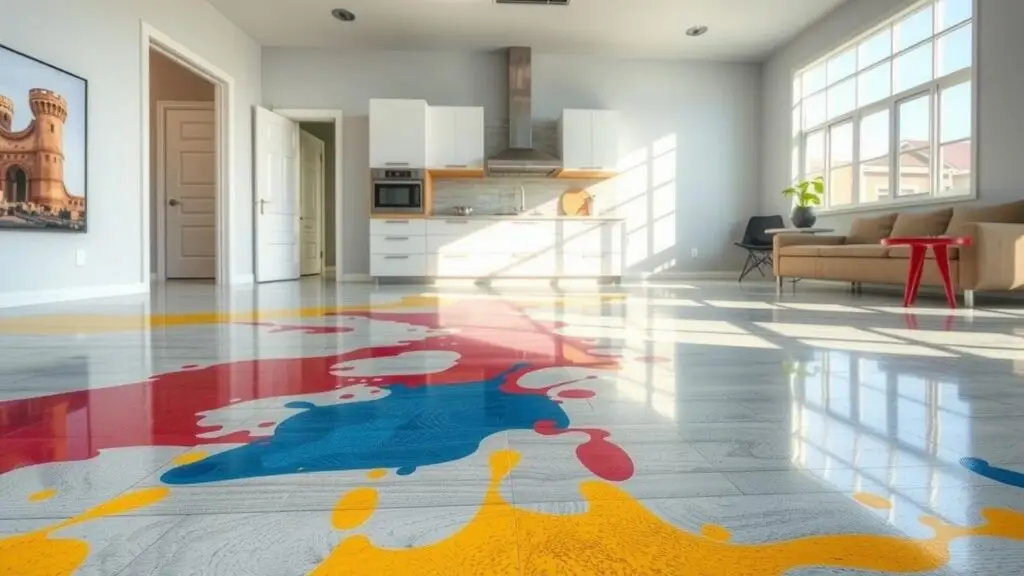
Colored epoxy has gained popularity in residential and commercial settings due to its versatility and aesthetic appeal. In homes, it is often used in garages, basements, and kitchens, creating stunning surfaces that are both functional and visually striking. Large-scale projects, such as retail spaces and showrooms, showcase custom designs that enhance brand identity while providing durable flooring suitable for high foot traffic.
Many businesses have found success in using colored epoxy to transform dull concrete floors into vibrant areas that draw in customers. Restaurants utilize intricate patterns and colors that complement their interiors, fostering a welcoming atmosphere. Industrial facilities benefit from the ease of cleaning and maintenance offered by epoxy, combined with the ability to add safety features like slip resistance and textures. These applications illustrate how colored epoxy not only improves aesthetics but also meets practical needs across various spaces.
Conclusion
Colored epoxy coatings offer a unique blend of aesthetics and practicality, making them an appealing choice for various environments. Their versatility allows for a customization that suits both residential and commercial spaces, enhancing the overall visual appeal while providing durability and ease of maintenance.
As homeowners and business owners explore flooring options, understanding the advantages of colored epoxy can lead to informed decisions. From improved slip resistance to eco-friendly formulations, there are numerous factors that contribute to the growing popularity of this flooring solution.
FAQS
What are colored epoxy coatings and how do they enhance aesthetics?
Colored epoxy coatings are a blend of resin and hardener that, once cured, create a durable and visually appealing surface. They enhance aesthetics by providing a glossy finish, a variety of colors, and the ability to create custom designs and patterns.
How do I properly clean and maintain colored epoxy coatings?
Regular cleaning involves sweeping or vacuuming to remove dirt and debris, followed by mopping with a mild detergent and water. Avoid harsh chemicals that can damage the coating, and consider reapplying a sealer periodically to maintain its shine and durability.
What common issues might arise with colored epoxy coatings, and how can I troubleshoot them?
Common issues include bubbles, peeling, or discoloration. Most problems can be identified by inspecting the surface for anomalies. Fixing them may involve sanding down affected areas, reapplying epoxy, or ensuring proper curing conditions during installation.
Can colored epoxy coatings be made slip-resistant?
Yes, colored epoxy coatings can be enhanced with anti-slip additives or textured finishes to improve slip resistance. This is particularly important in areas that may get wet or where safety is a concern.
Are there eco-friendly options available for colored epoxy coatings?
Yes, there are eco-friendly epoxy formulations that contain lower levels of volatile organic compounds (VOCs) and are made with sustainable materials, making them a healthier choice for both the environment and indoor air quality.